
The monthly payment feels heavy, so lowering it sounds tempting. But most banking apps give two options: reduce the term or reduce the payment. One choice saves interest, the other makes the month easier.
Reducing the term or the payment is not about right or wrong. The choice depends on how stable your income is and how much cash buffer you have for surprises.
Rule of thumb: the more stable the income and the bigger the reserve, the more sense it makes to shorten the term; with unstable income, lowering the mandatory payment is safer.
- Calculate your required monthly expenses and minimum reserve.
- Assess the risk of income drops over the next 6-12 months.
- Define the goal of prepayment: lower interest or more free cash.
- Ask the bank for two schedules for the same prepayment amount.
- Lock the rule and follow it for 6-12 months.
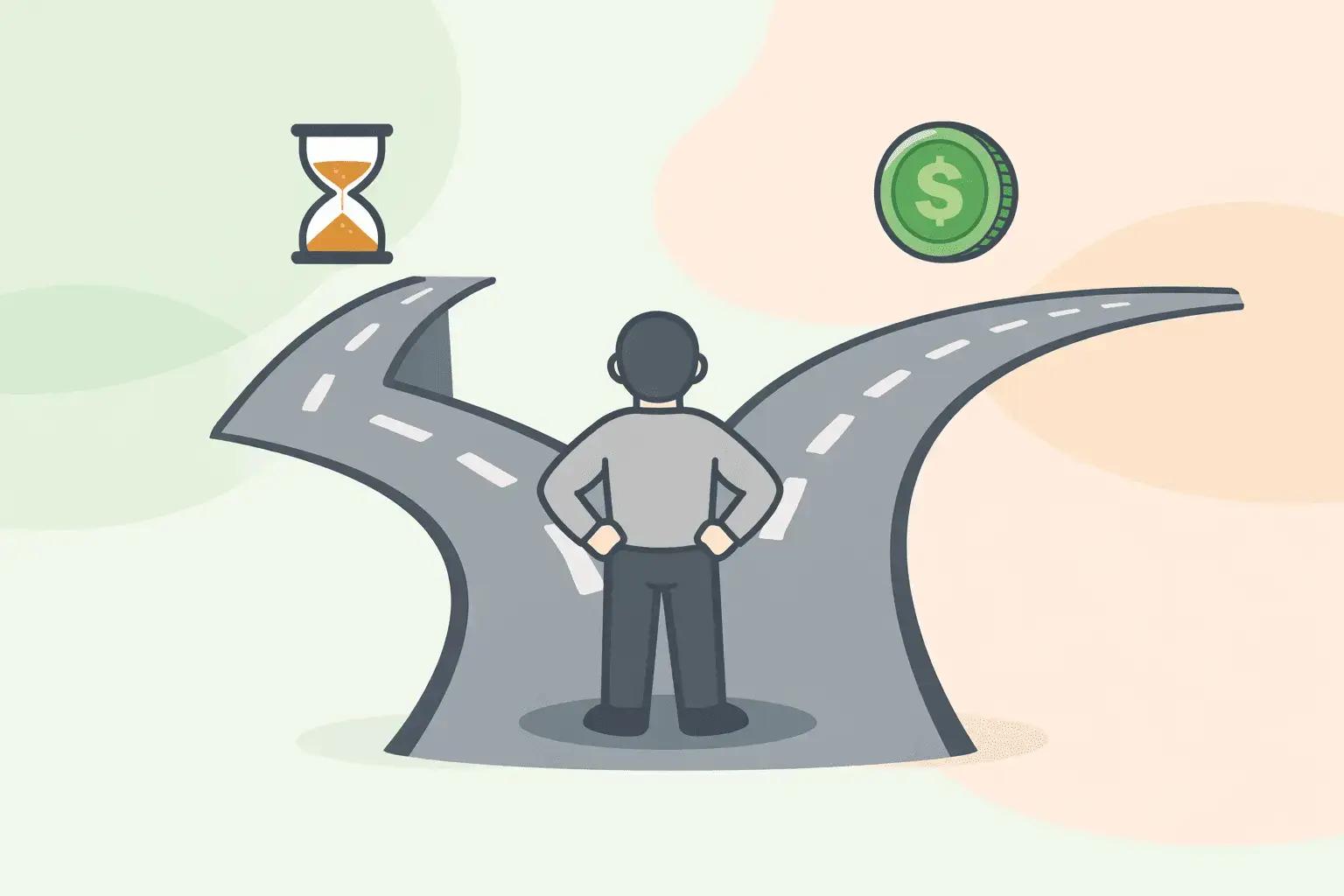
Reduce loan term or payment: the difference in plain words
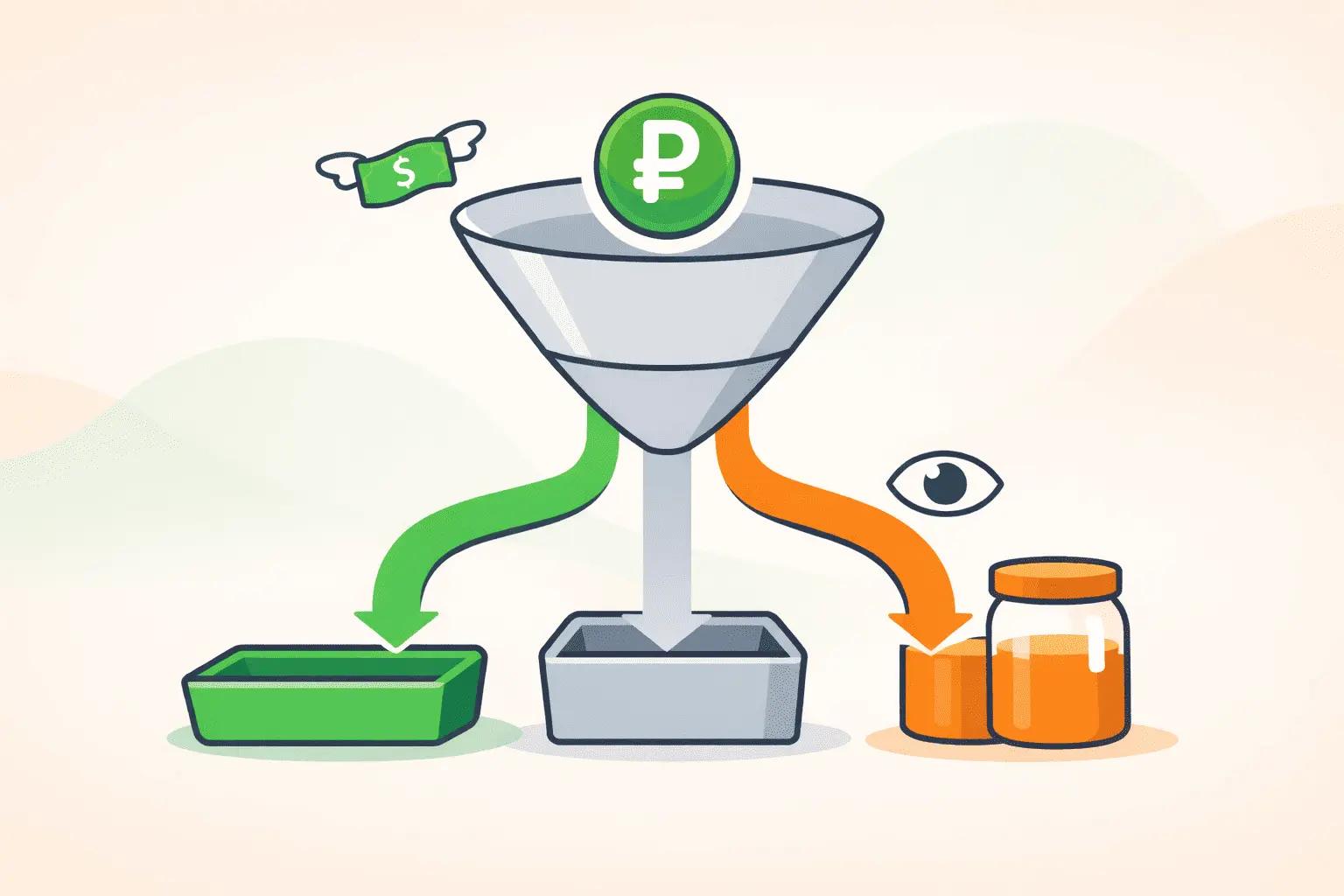
Interest is charged on the remaining balance. When you shorten the term, the principal falls faster and you pay less interest overall. When you lower the payment, the term usually stays similar, so total interest is higher, but the monthly load is lighter.
| Criterion | Shorten the term | Lower the payment |
|---|---|---|
| Total interest | Lower: debt shrinks faster | Higher: debt lasts longer |
| Monthly burden | Almost the same | Noticeably easier |
| Budget flexibility | Lower | Higher |
| Risk with unstable income | Higher | Lower |
Tip: if the payment is affordable and you have a 1-2 month reserve, shortening the term usually saves more interest.
Do you need complex math? Usually not: the bank recalculates the schedule and you can compare term and interest side by side. Run both scenarios on the same prepayment amount.
What is better: reduce the loan term or the payment
The question "lower payment or shorten loan term" sounds like a debate, but the answer depends on your situation and horizon.
- Stable income and a 1-2 month buffer: shortening the term saves the most interest.
- Volatile income or a tight budget: lowering the payment reduces the risk of missing a bill.
- A big goal in the next 6-18 months: a smaller payment frees cash flow.
- Plan to accelerate later: start with the payment, then switch to the term.
Lowering the payment feels safer. It is, in weak months. But the total interest grows, and without a reserve the term option can be hard to sustain.
Nuance: if you are already late or risk a drop in income, prioritize a smaller mandatory payment over interest savings.
For a simple reserve calculation, see: Emergency fund basics.
Pick one primary criterion for the next year and write it down. It cuts decision noise fast.
How to prepay smartly: a 5-step algorithm
We get decision fatigue. Studies show that the more choices you make in a day, the more you simplify later and miss details. That is why a prepayment rule should be set in advance, not chosen late at night.
- Gather base numbers: required monthly expenses and your reserve.
- Check bank rules: how to submit the request and when the schedule updates.
- Run two calculations on the same prepayment sum: reduce term or payment.
- Choose a rule for 6-12 months and stick to it.
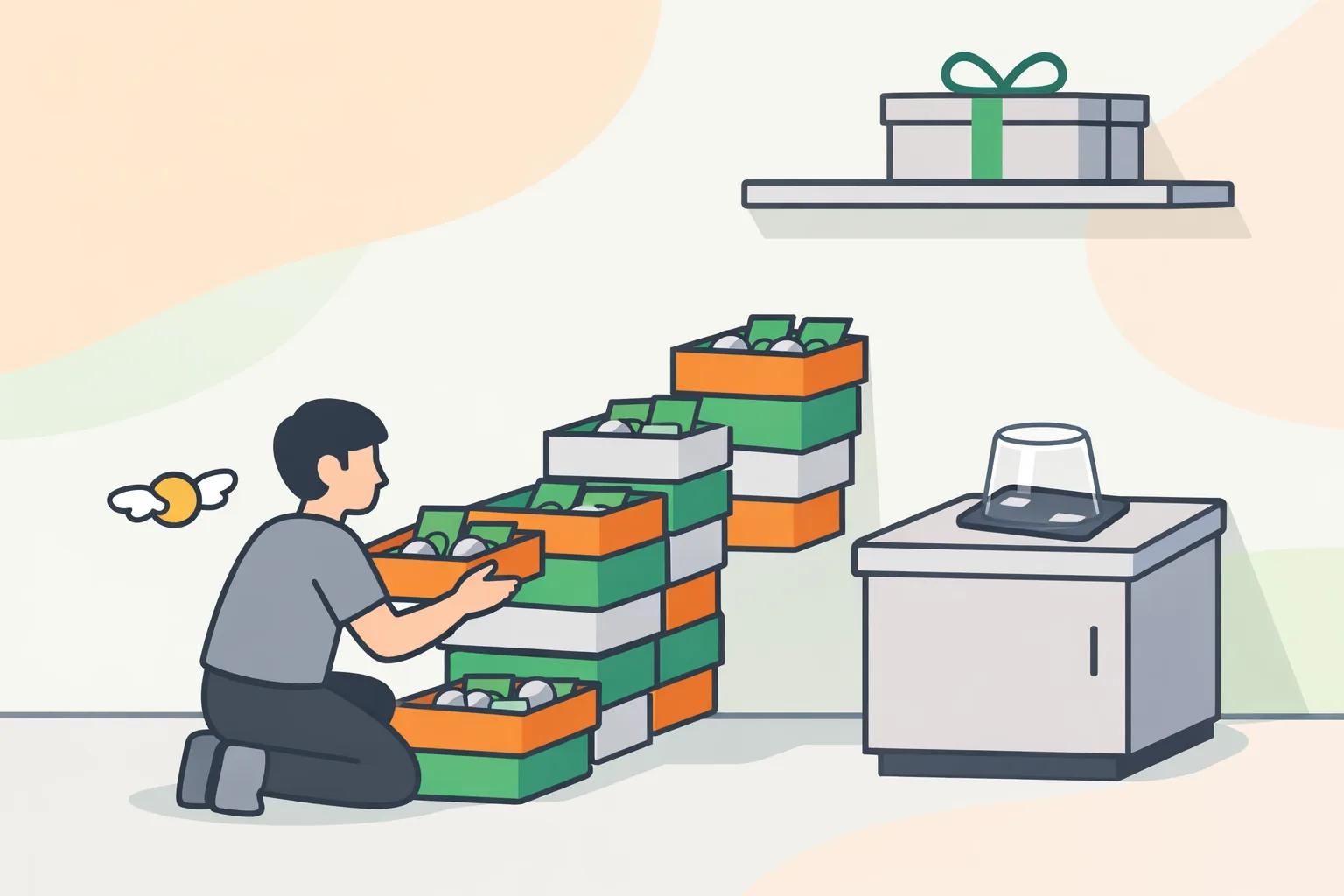
- Treat prepayment as a regular line item, not a random leftover.
If you want a simple way to track it, this may help: Do you need personal finance tracking?.
Make a test calculation in the bank app and save both options so you can return to numbers, not emotions.
Partial prepayment in practice: reduce the term or the payment
Partial prepayment is a moving choice. The right option can change over time.
Mini-case. Alex and Lily have a loan of about $10,192 for 4 years at 18.5% APR, payment $312 per month. After 8 months they saved about $719 for prepayment, but the washing machine broke ($123) and they bought kids' boots ($42). They chose to lower the payment: it dropped to about $272 and their budget got breathing room. Six months later income stabilized and they switched to shortening the term, adding about $157 in prepayments.
Check the date when the bank updates the schedule and the default option, otherwise money may go to the wrong scenario. For clarity, keep a separate "prepayment" category (here is a simple setup guide: Expense categories without chaos).
Define when you will switch from lowering the payment to shortening the term, and write that rule down.
Nuances and mistakes that eat the benefit
- Reserve at zero: prepayment drains the buffer and the next repair recreates debt.
- Random payments without a plan: the effect is smeared, a fixed monthly sum works better.
- Default bank option: the bank may lower the payment when you wanted to cut the term.
- Relying on "extra" money: in weak months the mandatory payment can become too heavy.
- Only comparing the payment: look at total interest and term, not just comfort this month.
Pick the mistake that is closest to you and fix it first.
What matters more right now: a calmer monthly payment or a faster exit from debt? Today choose one priority and write a prepayment rule for the next six months.
Checklist: do this today
Do today:
- Calculate required expenses and a minimum reserve.
- Ask for two schedules for the same prepayment sum.
- Choose a scenario for 6-12 months and write it down.
- Add prepayment as a separate category in your tracking.
Tick the boxes and move steadily, without sprints.
FAQ
If your income is stable and you have a small buffer, shortening the term usually saves more interest. With volatile income or a thin reserve, lowering the payment reduces the chance of a missed bill.
Yes, the strategy can change. Reduce the mandatory payment to build slack, then switch to shortening the term once income stabilizes and risk is lower.
Monthly prepayments alongside the regular bill are the easiest to plan and track. Random one-off payments work too, but they are harder to budget and review.
It depends on your stability. If the reserve is thin, prioritize a safer payment. If the buffer is solid, prepayment can still reduce risk and speed up debt payoff.