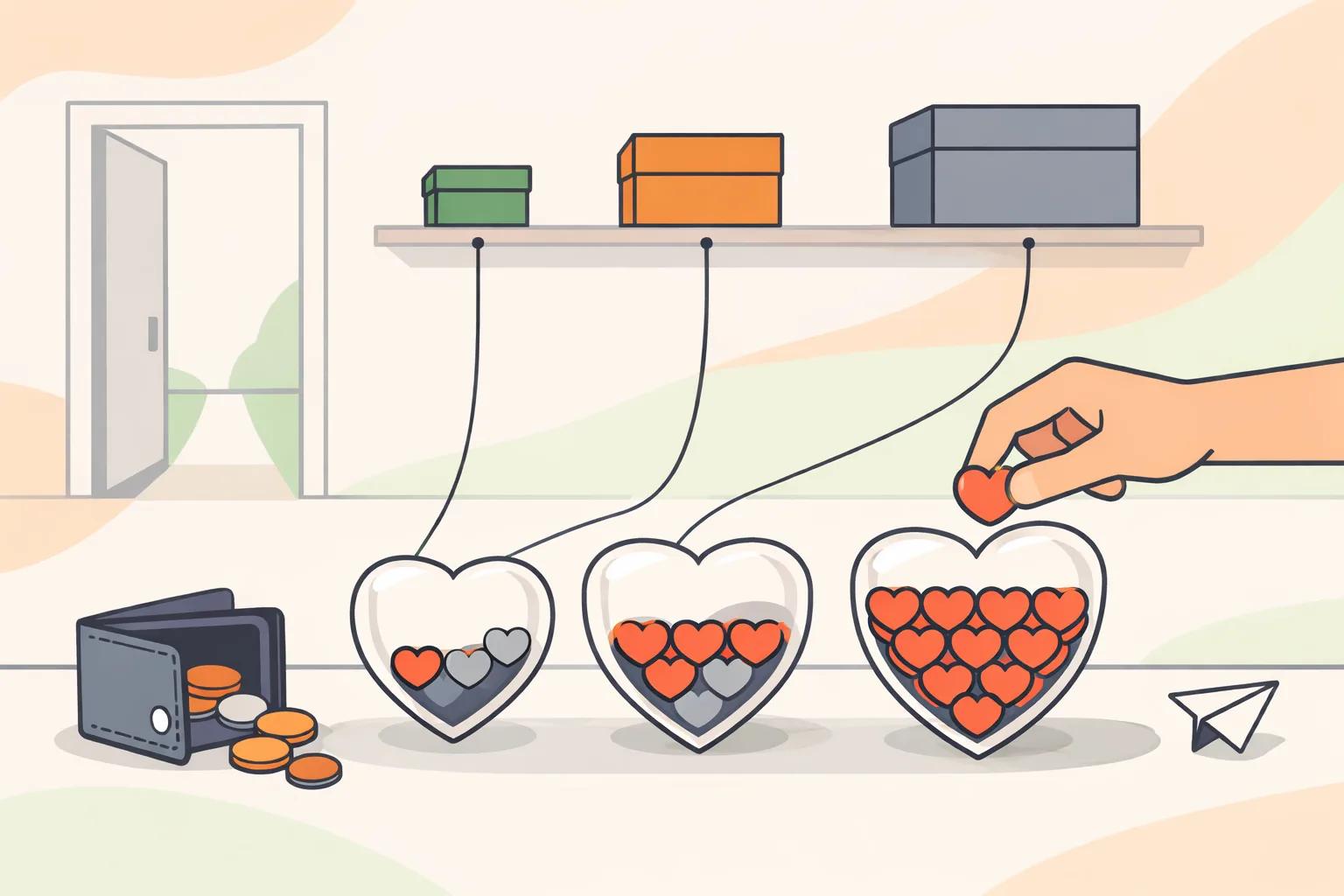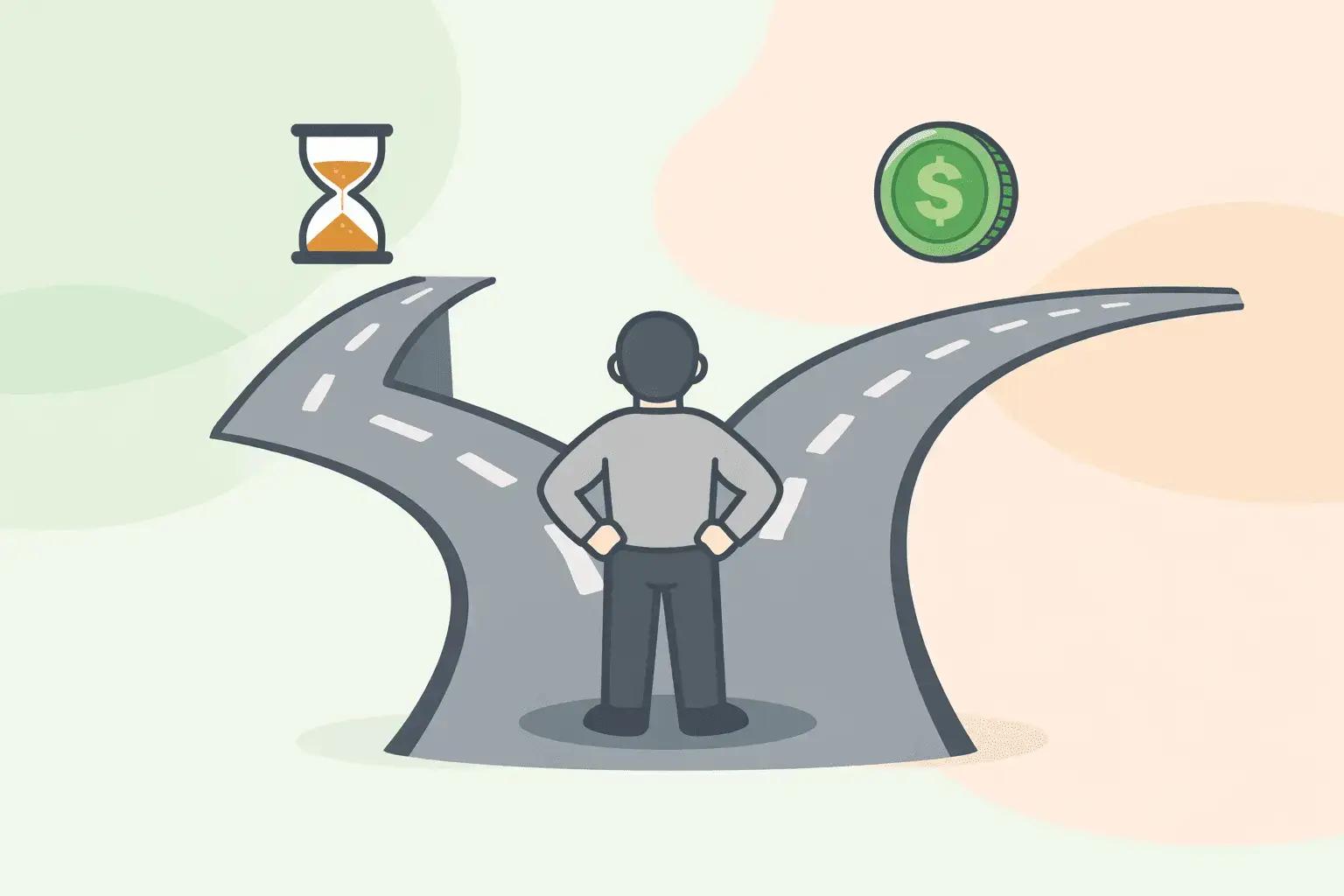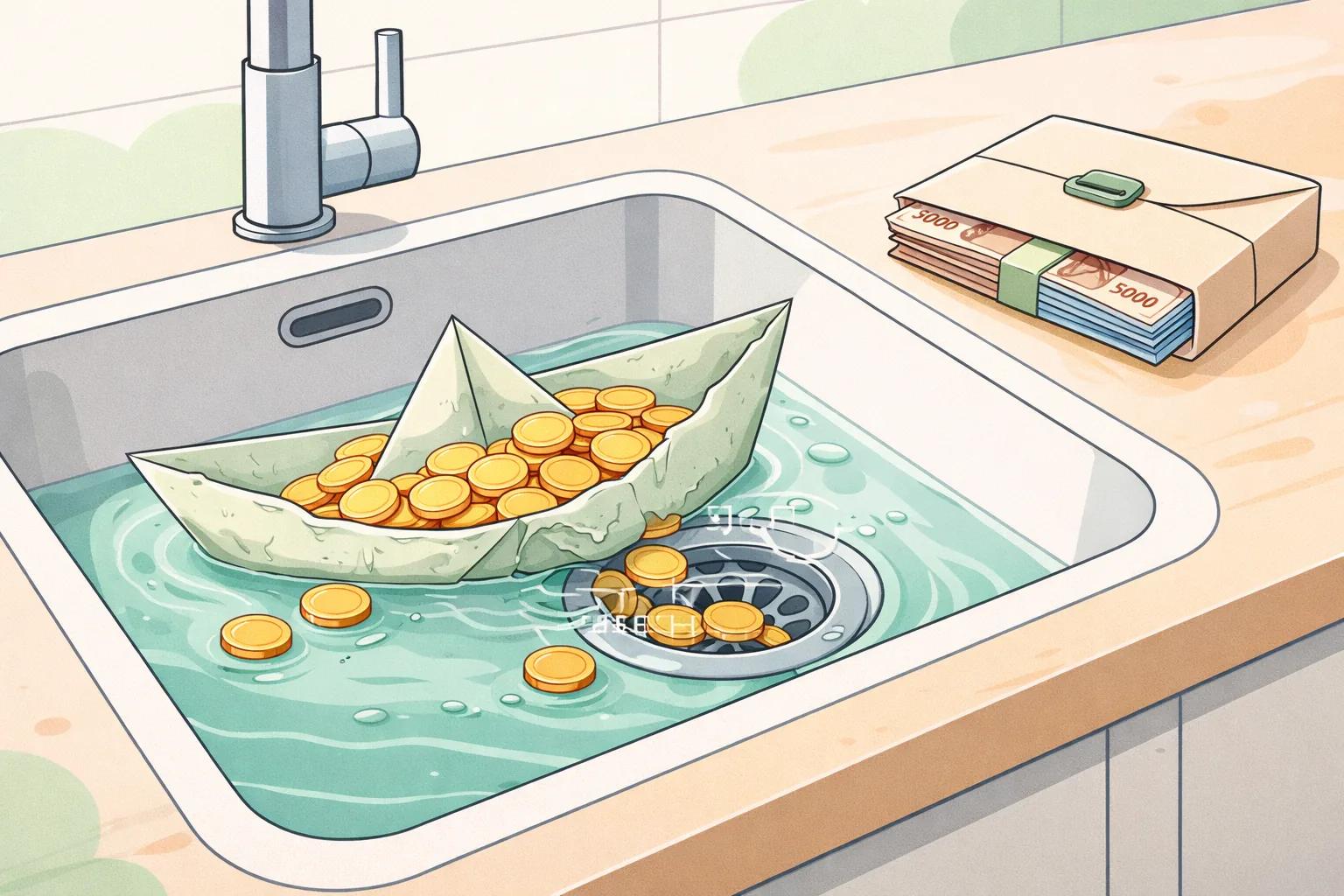

A credit card shows up at checkout, but the real problem starts earlier: you have money—you just don’t know how to protect savings from yourself. The cash sits next to everyday spending and gets picked off along the way.
A big-purchase fund (a sinking fund) is money you pre-declare as off-limits for day-to-day life. You’re not “being heroic.” You’re building rules so your goal doesn’t have to compete with delivery fees, subscriptions, and random “deals.”
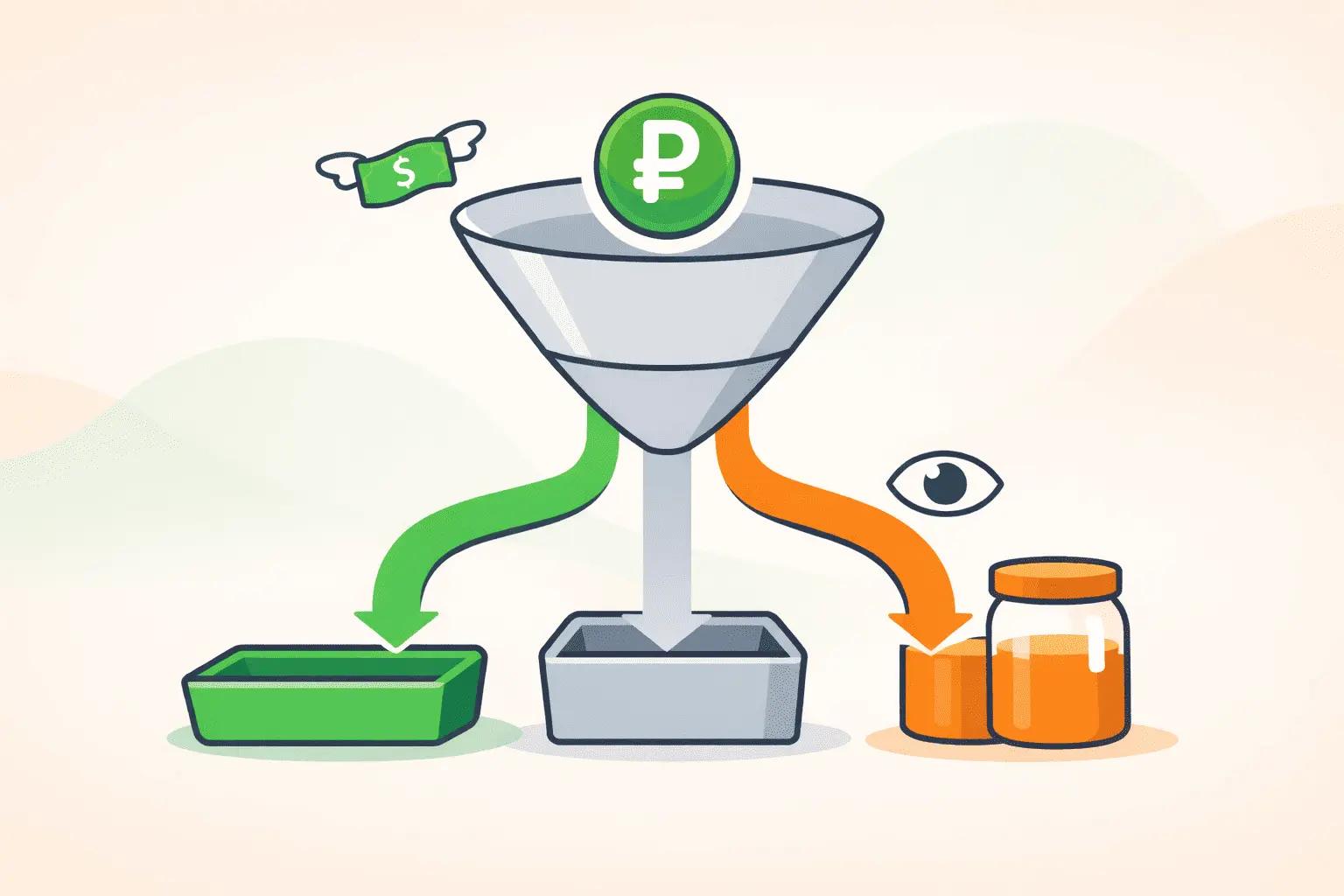
The whole system is one move: pull goal money out of your daily spending zone and set a pace.
- pick 1–3 goals and a priority order;
- calculate the all-in cost (including add-ons);
- choose the month you’ll buy;
- set the monthly transfer and automate it;
- keep the fund where it earns interest;
- update the plan weekly (no guilt spiral).
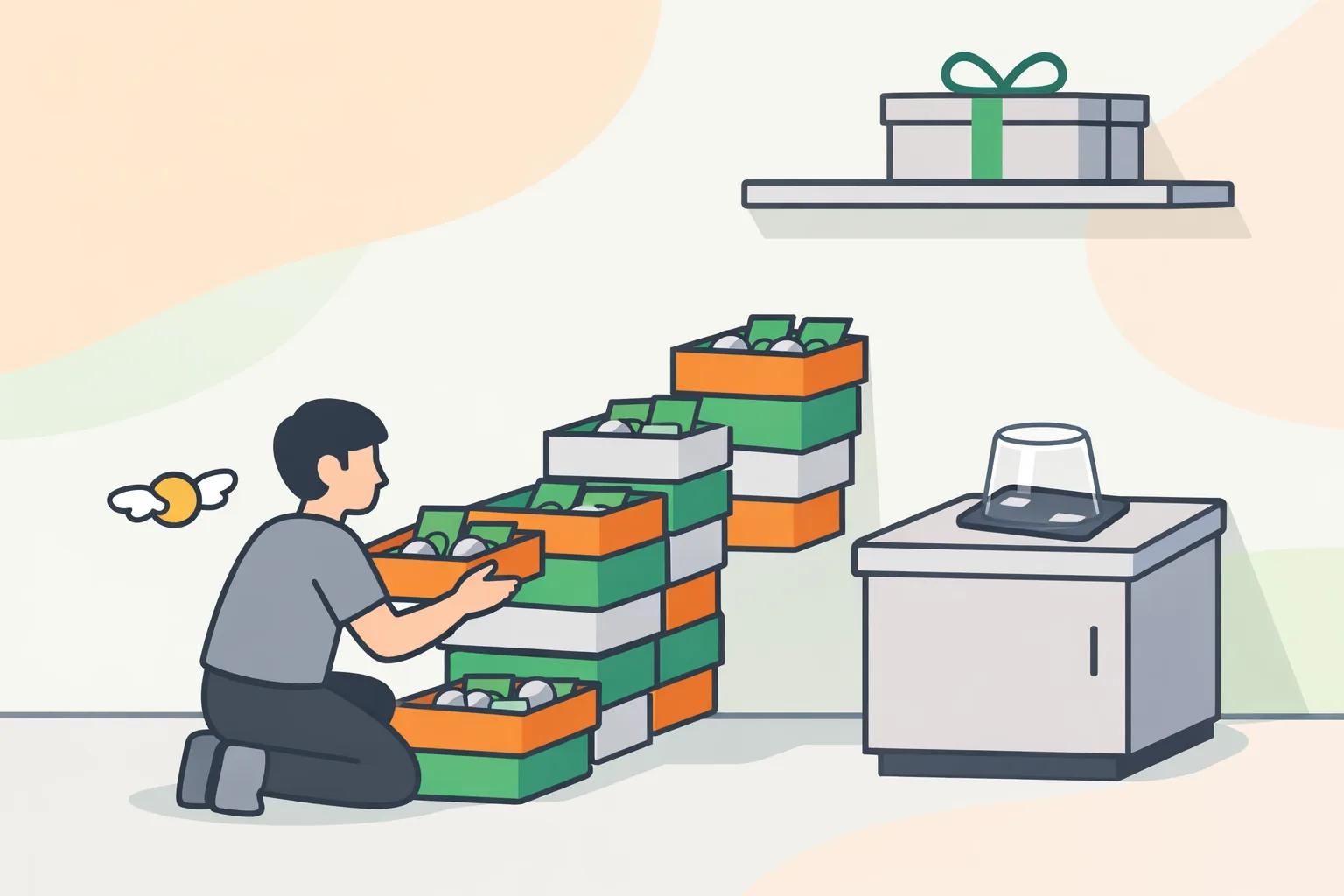
Big-Purchase Fund: What It Is and When You Need It
This fund is for predictable big expenses: appliances, home repairs, trips, training, seasonal bills, larger gifts. It’s not “wealth.” It’s discipline: money waits for a planned purchase instead of leaking into daily life.
The priority rule is blunt: baseline first, goals second.
- required payments with no late fees;
- a minimal emergency cushion (at least one month of essential expenses);
- only then: big-purchase goals and “wants.”
Why the emergency fund comes first is covered here: emergency fund.
Rule: if your emergency fund is empty, you don’t start a “wants” fund. Otherwise the first real surprise will eat your goal—and you’ll be back to the credit card.
The 6-Step Setup That Survives Real Life
- Name the goal so you can verify it. Not “renovation,” but “bathroom: tile + fixtures.” Not “laptop,” but a model/class plus minimum specs.
- Pull 2–3 prices and decide on a real number. Don’t anchor on one tag in one store—use a range and pick the amount you’ll actually pay.
- Add the extras that always show up. Delivery, carry-in, install, supplies, warranty, fees, labor. These are what turn “almost enough” into “not enough again.”
- Pick a purchase month. Specifically: July 2026. Without a date, transfers become random.
- Calculate the transfer and set two modes.
Base:
(goal − already saved) / months to the date. Booster: what you can add in good months without breaking the basics. - Lock in protection from slip-ups. Open a dedicated fund account/savings pocket and set an automatic transfer right after income lands. The less you see this money on your daily card, the less temptation you feel.
When Life Happens: The Rule That Saves the Plan
If one month you can’t transfer, don’t try to “fix it” with a double transfer next month. Recalculate and move the purchase date—you keep control instead of chasing the plan with stress.
Where to Park the Fund So It Earns Interest
For a 6–12 month goal, interest on the balance actually matters. It won’t make the purchase “free,” but it helps you stay on track when prices drift or extras pop up.
Two options usually cover it:
- High-yield savings account for flexible goals. Easy to add money and take it out if needed. The rate can change, but access is simple.
- CD (ideally add-on) for a hard date. Works best when you’re confident you won’t need the money early; early withdrawal often costs you interest.
Quick rule: if you need flexibility, go with a HYSA; if you want firmer terms and can hold to the date, look at a CD.
Setting the Monthly Transfer Without Burning Out
Start by honestly calculating what’s left after essentials and debt payments. The transfer comes from that “free remainder,” not from the desire to “finish faster.”
Two guardrails:
- if the transfer makes you swipe a credit card for groceries or gas, it’s too high;
- if the transfer is so small the goal drifts into years, you need prioritization (fewer active goals or a longer timeline).
Three sustainable transfer styles:
| Method | Best for | How to keep it sustainable |
|---|---|---|
| Fixed amount | stable income | automate the transfer the day after payday |
| Percentage of income | variable income | set a minimum for a “bad month,” then add extra in good months |
| Step-up | hard to start | begin small for 1–2 months, then raise it quarterly |
Inflation and Price Drift: Add a Buffer Up Front
For goals longer than a year, prices often change. Add a buffer to the goal amount—rule of thumb: +10–15% or at least 1–2 monthly transfers. It’s not paranoia; it’s how you avoid breaking the plan when costs creep.
Mini Case: A Washer, a Tooth, and an Honest Recalc
Claire decided to replace a washing machine: the old one was leaking, but “it can survive another month.” The model she wanted was $1,180—and this is where people usually reach for a credit card.
She calculated the all-in cost:
- washer — $1,180
- delivery and carry-in — $32
- installation — $27
- hoses and small supplies — $13 Total: $1,250.
The plan was aggressive: 4 months → about $315/month.
Then real life showed up:
- an unplanned dentist visit copay — $160;
- a “quick” online marketplace buy that appeared in the statement — $42.
In month two, instead of $315, she managed to save only $205. She didn’t try to “catch up” with a double transfer—she simply recalculated.
New pace: $270/month. $1,250 / $270 ≈ 4.6 → 5 months.
The purchase moved out by a month, but the budget didn’t collapse—and she didn’t have to borrow. That’s the point of the fund: you manage the timeline instead of plugging holes with a card.
What Breaks the Fund and How to Fix It
- A vague goal. Specify what you’re buying and lock a “minimum acceptable” version.
- A total without extras. Add delivery/install/supplies and a buffer for price drift.
- Too many active goals. Keep 1–3 active goals; queue the rest.
- Sprints instead of pace. A steady transfer beats occasional “savings marathons.”
- No weekly check-in. Updating balance and date once a week is faster than a quarterly crisis review.
If you’re already slipping into negative cash flow and using a credit card to survive, stabilize the baseline first—otherwise any fund will keep leaking (practical approach here: negative balance and debt).
If Income Swings, Debt Exists, or Money Is Shared
Variable Income: Budget From the Floor
Set your base transfer using a “bad month” income level you’ve actually lived through in the last 6–12 months. In good months, boost the fund—but don’t turn the boost into a new obligation.
Debt: The Fund Can’t Create Late Fees
Start with minimum required payments and zero late fees. Keep the fund transfer modest and increase it only after payments and essentials are covered.
Shared Budget: Agree on Rules Before You Start
One conversation prevents a dozen fights. Decide which goals are shared vs. personal and how transfers split. A simple control helps: impulse buys don’t get paid from the fund (more on resisting the swipe here: impulse purchases).
Do This Today: Quick Checklist
- Pick one big goal and choose the purchase month.
- Calculate the all-in amount with extras and a price-drift buffer.
- Set an automatic transfer to the fund right after payday.
- Cut active goals to 1–3 and put everything else in a queue.
- Write one rule: after a missed month, the date moves—transfers don’t double.
Here’s the hard ending: either you open the fund account and switch on auto-transfer today, or in a few months you’ll be choosing between “still not enough” and another swipe.
FAQ
Don’t ‘catch up’ with a double transfer next month. Recalculate, move the purchase date, and return to the normal pace once cash flow is stable again.
Emergency fund covers surprises; the big-purchase fund covers planned goals. If you spend the cushion on wants, one problem later you’re back to the credit card.
Start after the basics: no missed payments and at least one month of essential expenses saved. Until then, keep a small transfer and send most cash to the cushion.
For 6–12 months, use a high-yield savings account so you can add/withdraw without losing all interest. A CD fits when the date is fixed and you won’t touch it early.