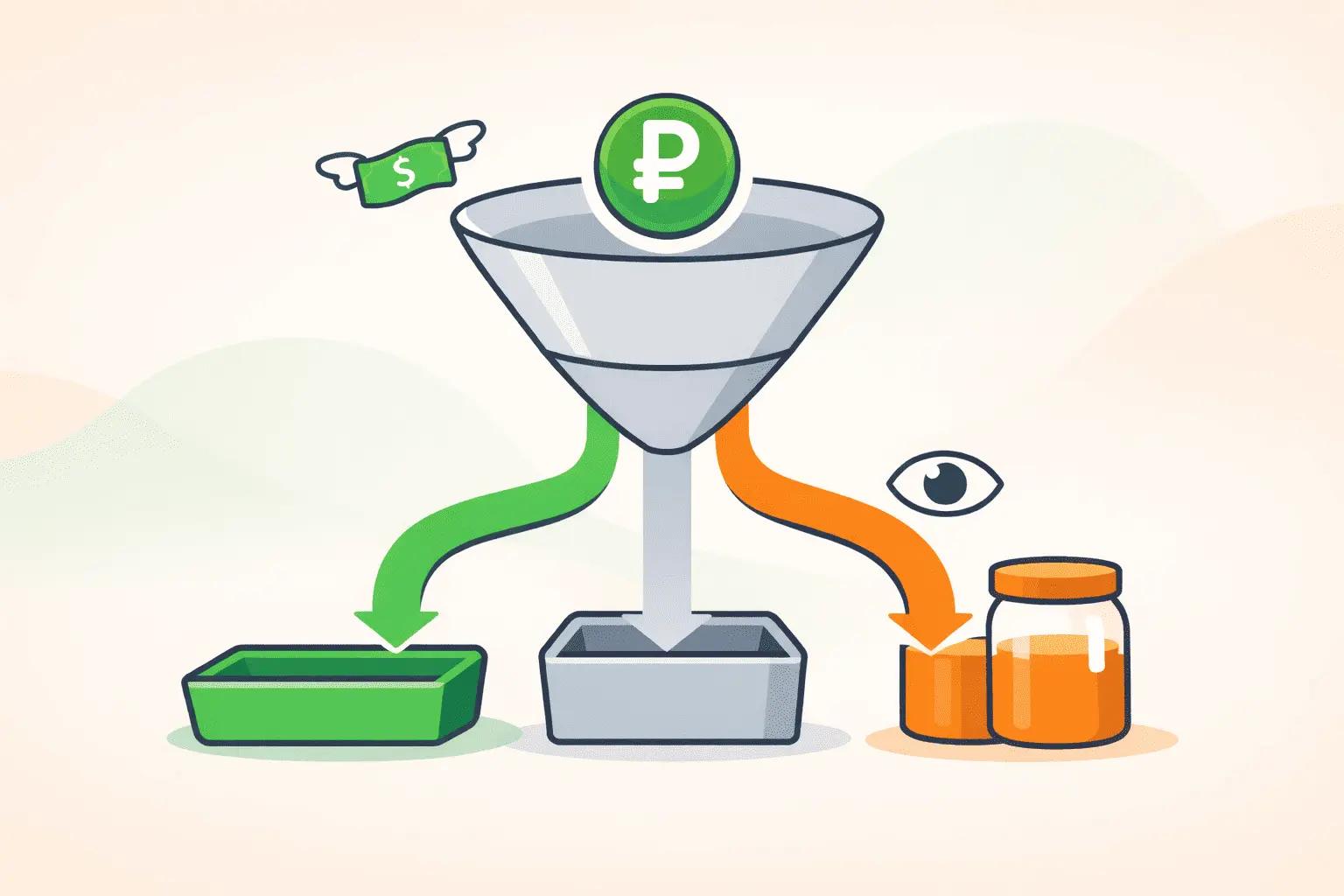

When income dips or an unexpected bill hits, an emergency fund keeps you steady. Crises and layoffs do not end, so the topic is evergreen: calm costs less than panic.
Short answer: calculate your essential expenses, pick 3/6/9 months, build the first layer in 8-12 weeks, keep it separate, and spend it by clear rules. Below is the simple version of how to build an emergency fund.
Emergency fund vs savings: plain difference
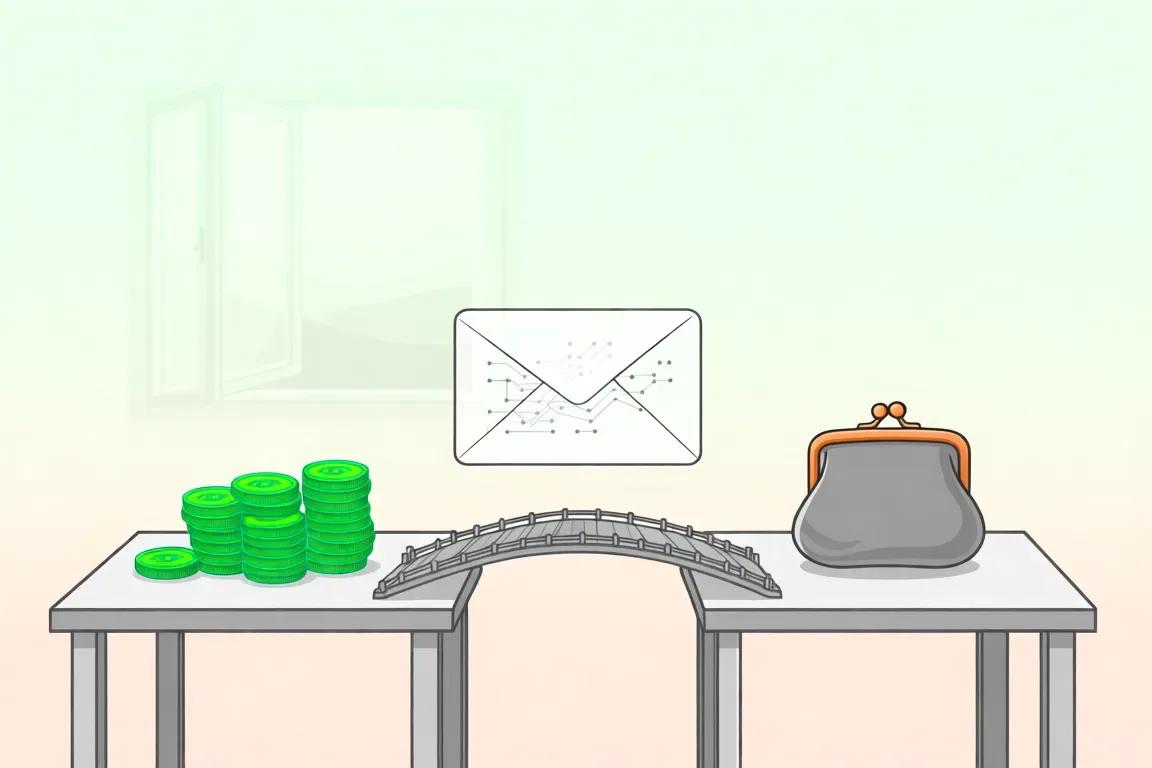
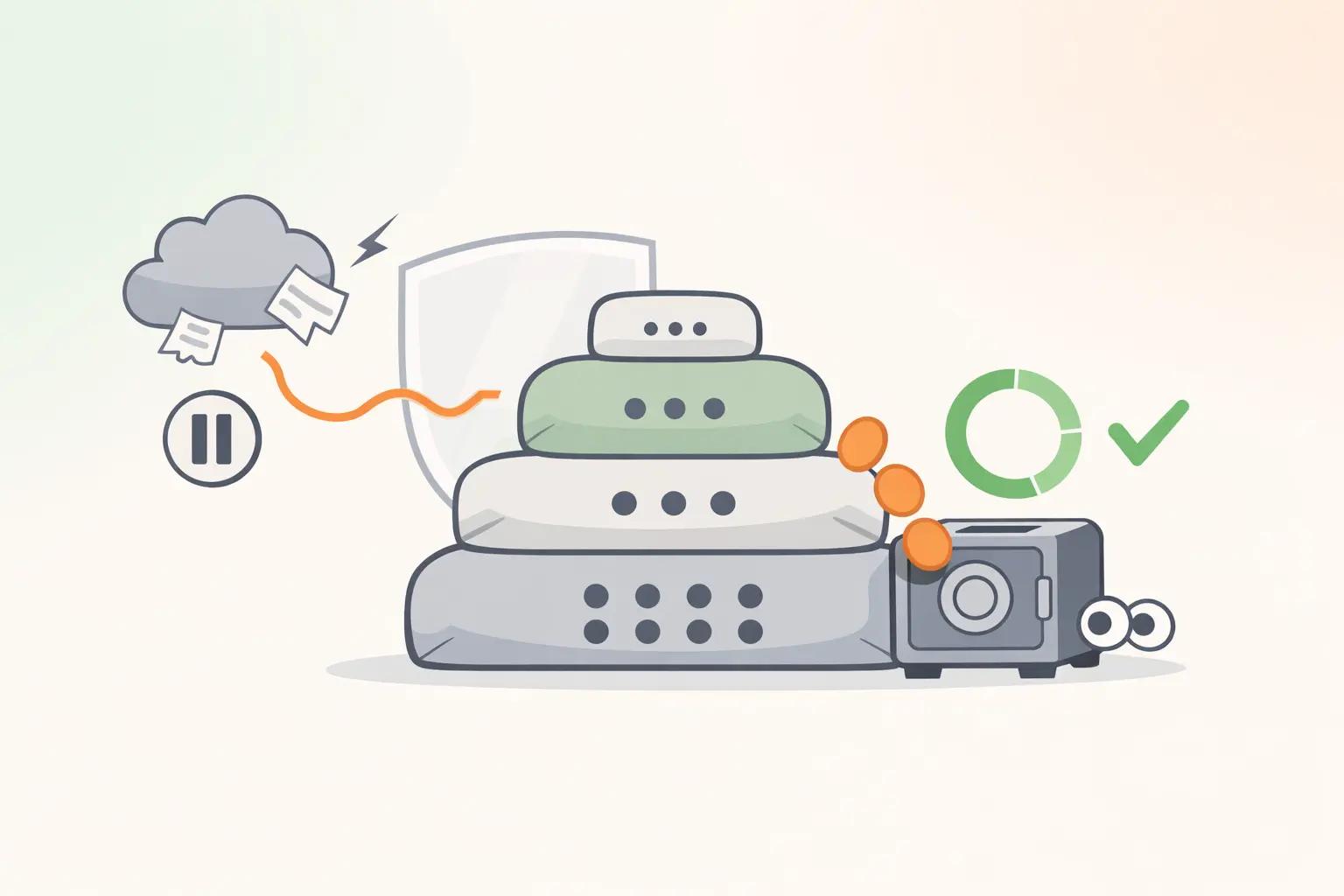
A safety buffer protects core spending when surprises hit. That buffer is your cash reserve, a family safety net for unexpected expenses. Savings for a rainy day or goals are planned purchases. When people mix the two, the reserve disappears exactly when it is needed.
| Parameter | Emergency fund | Savings |
|---|---|---|
| Goal | Live 3-6 months without income or cover an urgent breakdown | Buy a planned item: vacation, renovation, tech |
| When to use | Right away or within a week | On a preselected date |
| Success criterion | Money is available at any moment | Money grows and meets the goal |
| Example | Job loss, urgent medicine | Summer trip, phone upgrade |
Tip: if the money must be available tomorrow, it is an emergency fund, not an investment account.
How much you need: 3/6/9 and your number
The question "how big should an emergency fund be" is answered through essential expenses. Use only must-haves, no wishes or plans.
What to include in essential expenses:
- Housing and utilities.
- Food and basic household supplies.
- Transport and connectivity.
- Minimum health costs.
- Required debt payments.
The formula is simple: monthly essential expenses x chosen months.
Month targets:
- 3 months: the minimum layer if your job is stable and you have no dependents.
- 6 months: a calm baseline for most people.
- 9 months: if income is unstable, you are the only earner, or you have loans.
Mini-case. Kate and Dan have essential expenses of about $810 per month: housing $366, food $261, transport $91, phone $26, minimum loan payments $65. Their comfortable target is 6 months: about $810 x 6 = about $4,861.
Sprint to first layer: simple 8-12 week plan
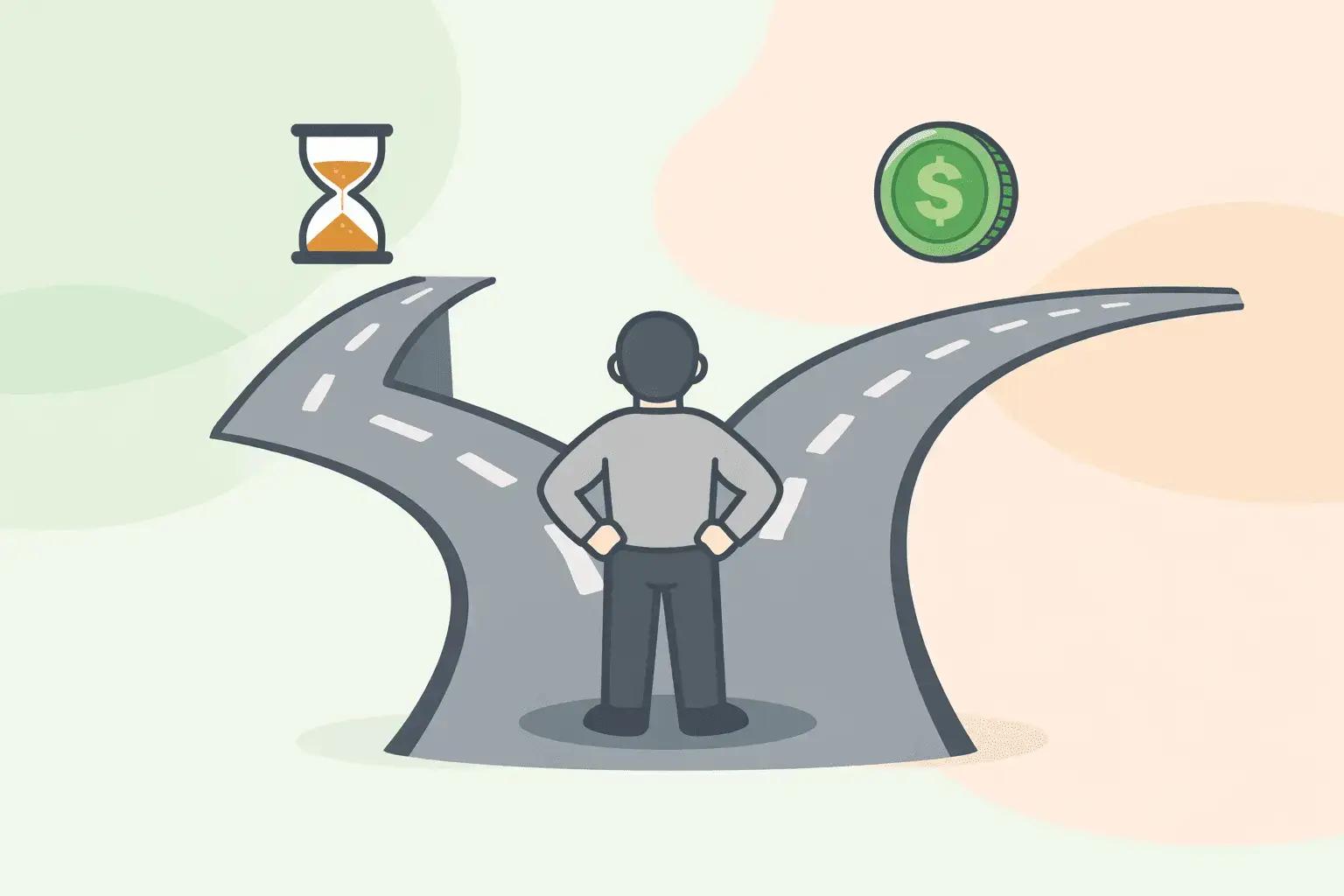
"How to build an emergency fund fast" is a common question, and a short sprint helps. In 8-12 weeks you can collect the first layer of 1-2 months of expenses, and then keep building toward 6-9 months.
Example: a target of about $1,568 over 12 weeks is about $131 per week or about $523 per month. A big number feels easier when it is split into short steps.
Sprint plan by weeks:
| Weeks | Focus | Actions |
|---|---|---|
| 1-2 | Diagnosis | Calculate essential expenses and the first-layer amount (1-2 months) |
| 3-6 | Acceleration | Find 2-3 sources to add money: trim categories and redirect one-off income |
| 7-10 | Stabilization | Set automatic transfers on payday and track progress once a week |
| 11-12 | Reinforcement | Recheck the amount and decide what share of income will keep topping up the fund |
Real-life note: the sprint often falls apart around week 3-4 when the "wow" effect fades. So fix the contribution schedule in advance and treat it like a regular bill, not a "if it works out" task.
Reserve storage that keeps it reliably working
Three principles: access, reliability, separation. The reserve should not depend on mood or market weather.
- Access: you can withdraw money quickly, without complex conditions.
- Reliability: the risk of loss is minimal.
- Separation: the fund lives apart from daily spending.
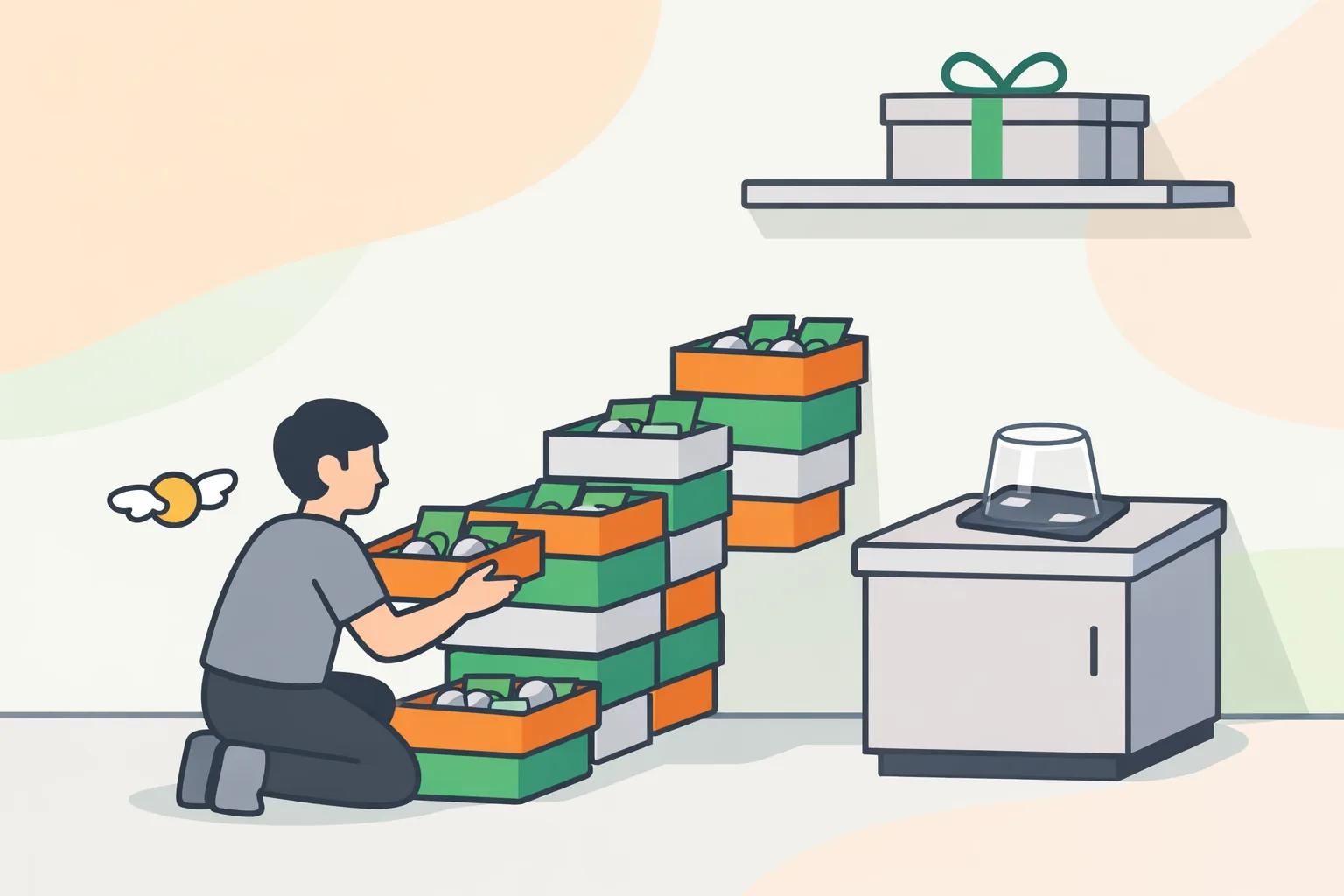
A practical three-layer setup:
- Cash for 1-2 weeks of essential expenses.
- A separate account without a card for 1-2 months.
- The rest in a separate account with limited access so you do not spend it "on the way".
This keeps the reserve separate from your everyday card spending, and your hand is less likely to grab it for small purchases.
Spending rules: protect the fund from leaks
When is it okay to use the reserve? Only if the event is unexpected, urgent, and not covered by your current budget. If it fails even one filter, it is not the fund - it is a regular expense.
Three filters:
- Unexpected: you could not plan the expense in advance.
- Urgent: without payment the problem gets worse within a week.
- Not in the budget: there is no category that covers it.
Psychologists describe decision fatigue: after many decisions, we resist temptations less. So write the fund rules in advance and keep them in view.
What counts as unexpected:
- Sudden illness and medicine you cannot skip.
- A breakdown of essential home appliances (fridge, stove).
- A temporary loss of income or delayed pay.
What does not belong to the reserve:
- Planned vacations and gifts.
- A "good discount" on new tech.
- Regular expenses you simply forgot to include.
After using it, always rebuild the amount. The fund works only when it is restored.
Mistakes that make the cushion leak fast
- One pile for everything: convenient, but risky and psychologically too close.
- Mixing with investments: volatility can block access to money when you need it.
- Vacation paid from the fund: this is a planned goal, not an emergency.
- One card for everything: money dissolves into daily spending.
- No replenishment after use: protection fades quietly.
An emergency fund does not make life risk-free, but it buys time for calm decisions. What situation in the past year would have been easier if the reserve had already been in place? Today, calculate your essential expenses and choose the number of months.
Checklist: what to do today and this week
Do today:
- Write down your essential monthly expenses.
- Choose your target: 3, 6, or 9 months.
- Open a separate place to keep the reserve.
Over the next week:
- Find 2-3 expense categories to cut temporarily.
- Set up a regular transfer on payday.
- Schedule a progress check 7 days from now.
FAQ
A basic target is 3 months of essential expenses, a comfortable one is 6, and an extended one is 9. Your number depends on income stability and how many people rely on you.
A sprint works if your goal is the first 1-2 months of expenses. Calculate essentials, set a fixed weekly transfer, and keep the money in a separate place.
Use it only when the event is unexpected, urgent, and not covered by your current budget: serious illness, a major breakdown, or a temporary loss of income.
Investments can drop and lock up access to cash, while an emergency fund must stay stable, liquid, and available any day you need it, without market risk.