Money Disappears on a Normal Income: Where It Leaks and How to Stop It
Leak points, rules, first steps

The salary lands, a few days feel calm, and then normal life kicks in: delivery after work, a taxi because of rain, gifts, subscriptions, small items for the house. By the 20th, the leftover is smaller than expected, even though the income does not look small.
Usually it is not the income that breaks, but the spending structure and habits: essential payments mix with flexible ones, decisions happen on the fly, and there are no rules.
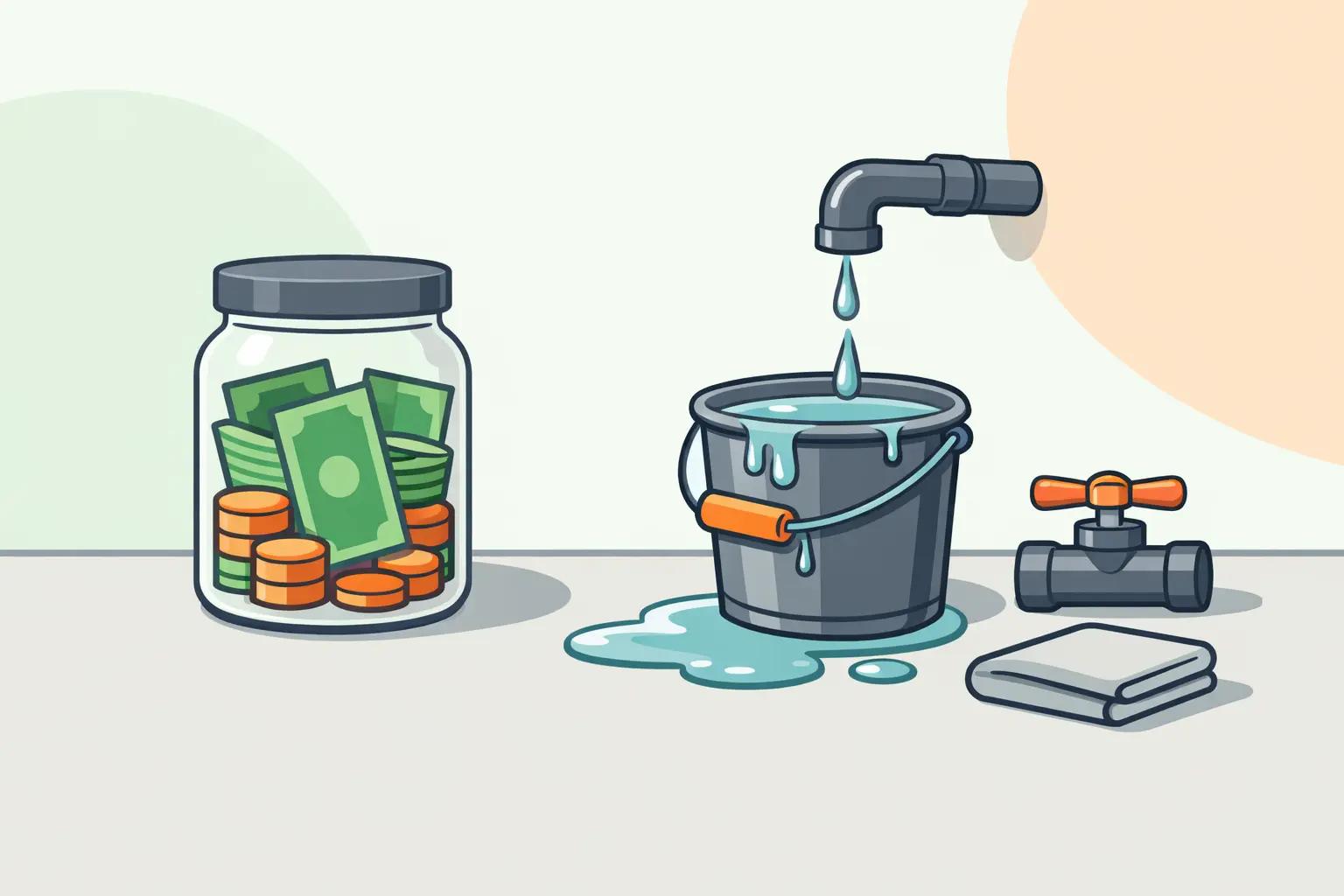
Without clear structure and short rules, money slips away even with a normal income.
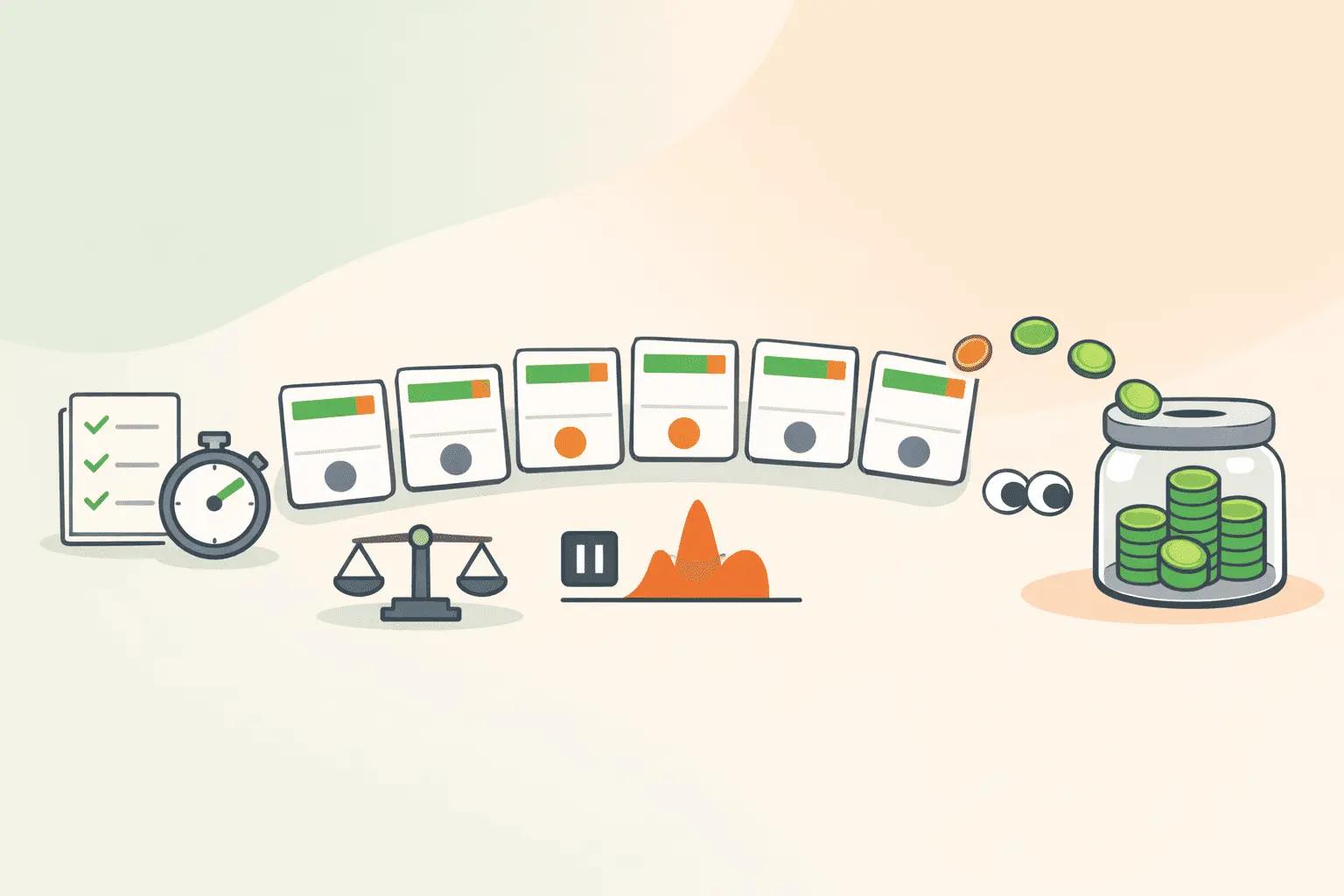
- Log one week of spending across 8-12 categories.
- Separate essential and flexible expenses.
- Set limits for 2-3 flexible categories.
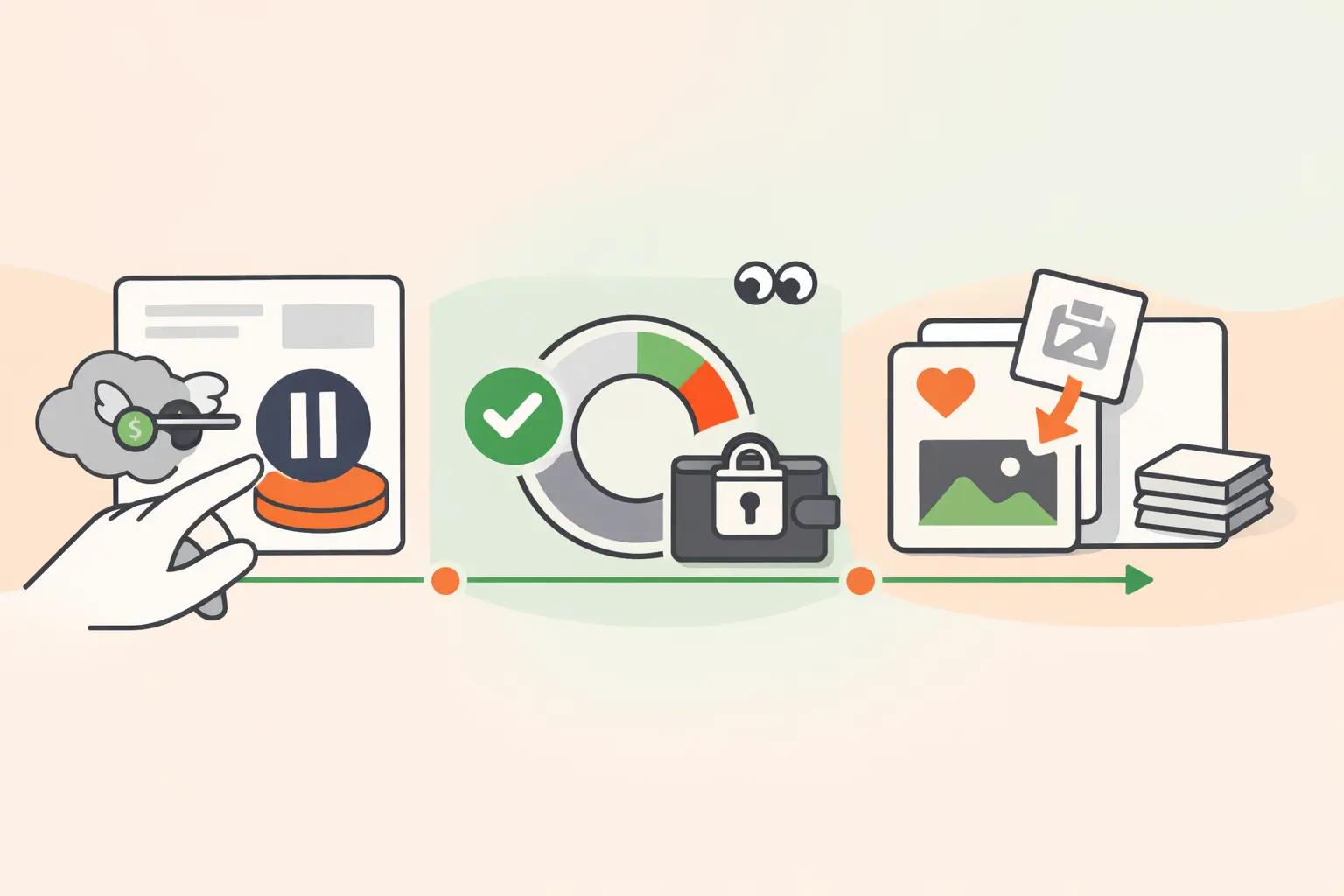
- Add a pause for purchases above a threshold.
- Review the week and adjust the rules.
Mini-case: normal income, no leftover by month
Alex and Lily have a combined income of about $2,242 per month. Essential payments: rent $706, groceries $423, transport $153, kindergarten $172, phone and internet $32, medicine $51. Total $1,537. On paper, about $705 remains, and it feels like there is room to save.
Then life kicks in. Delivery and cafes - $129, marketplaces - $95, gifts and holidays - $89, clothing - $123, clubs and a tutor - $102, subscriptions - $26, taxis - $28, household small stuff - $70. They forgot a couple of receipts and added them on the weekend - another $36.
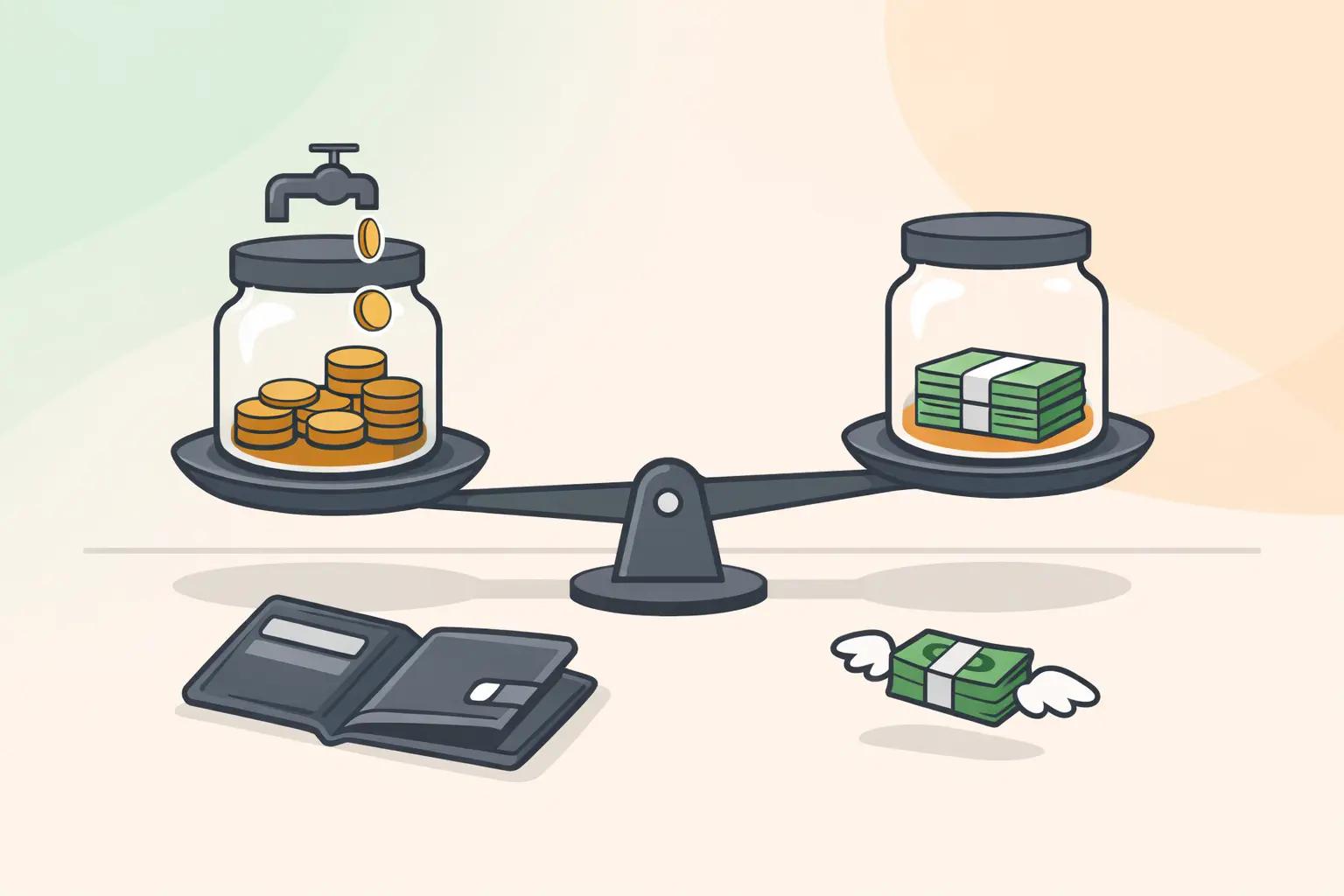
About $705 - about $698 = $7 left. The income is normal, but the rules do not hold the leaks.
If you want to check whether you need tracking and which format fits, here is a breakdown: Do you need to track your personal finances?.
Where money disappears: three monthly mechanics
Without structure, the month is run by small decisions. Three mechanics show up most often.
Essentials and flexible in one pile
Essentials are things you cannot cancel without pain this month: housing, basic food, communication, required payments. Flexible is everything you can move or cut. When they sit in one category, the leftover melts quietly.
Anything you can move to next month without damage belongs to flexible. Split them in tracking and on accounts: one category for essentials, another for flexible.
Small spending without a ceiling
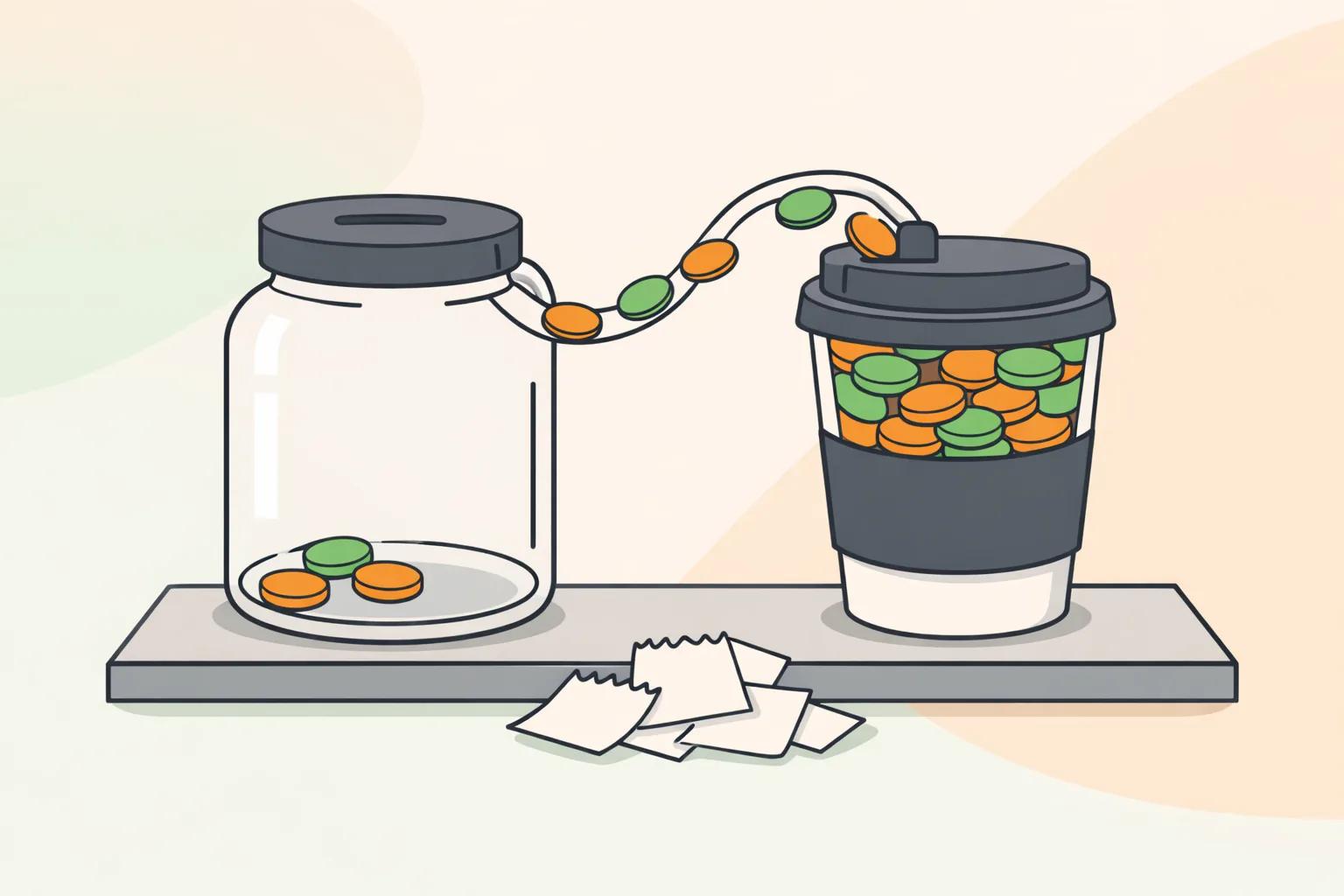
Small purchases do not look dangerous until you count them. Coffee at $4 three times a week is about $42 a month, and there are usually several lines like that.
You need a ceiling: a limit for 2-3 flexible categories and a clear rule for what to do when the limit is close. A good marker is when the category balance is lower than one typical purchase.
Impulse is stronger when you're tired
By evening, there are many decisions, self-control drops, and the hand reaches for a small reward. Psychologists call it decision fatigue: the more choices you made during the day, the easier it is to say yes to a "small thing" at night.
Behavioral economists describe the pain of paying: when payment does not feel painful, buying is easier. Contactless payments and autopay blur the feeling of spending.
Tip: set a pause threshold, for example $33-42, and move the decision to the morning.
If impulse purchases derail you more often, this breakdown helps: How to Avoid Impulse Purchases.
A 7-day diagnostic without heroic effort
A week of tracking gives numbers faster than a monthly plan. You need a picture, not details.
- Pick a normal week without trips or big one-off expenses.
- Reduce categories to 8-12 and mark essentials separately.
- Log totals once a day, without splitting the receipt.
- Reconcile with your statement after 3-4 days and add forgotten purchases.
- At week end, find 2-3 categories where spending is higher than expected.
- Choose one rule for next month: a limit, a pause, or a separate account.
With variable income, set limits from your "minimum month" so you do not hit a cash gap.
Observation: a short week of tracking often reduces "blind" spending by itself because the numbers become visible.
Categories are half the battle. Here's how to set them up without 30 items: How to set up expense categories.
Rules that keep the leftover to month end
After diagnosis you need rules that work without heroics and do not require willpower every day.
- Separate the streams: keep essential payments apart from flexible so you can see what is left for choice.
- Set limits for 2-3 flexible categories and split them by week.
- Add a pause for purchases: a sum threshold plus a wish list with dates.
- Do a short review once a week and adjust limits based on facts.
Mistakes that break the rules fast
- Total ban of "never": leave a small limit or the system collapses.
- Too many categories: tracking turns into bookkeeping and quickly burns out.
- Expecting it to hold on its own: a rule without review lives for one month.
- Different rules in a couple: agree on the limit and on purchases that require discussion.
How to start saving on a normal income now
Saving is easier when it is a planned payment, not the leftover. Choose a sum that does not break the month and move it on income day to a separate account.
Example: $89 per month gives about $1,066 per year, even without increases. Once the rhythm is stable, raising the amount is easier.
Review the rule every 2-3 months and increase it by a step that does not create strain.
Where does your money disappear most often - subscriptions, delivery, or small buys on the way? Today pick one such category and set a weekly limit.
Checklist for today: log and set limits fast
Do today:
- Log all spending from yesterday across 8-12 categories.
- Separate essentials and flexible in tracking.
- Pick one flexible category and set a weekly limit.
- Set a pause threshold for purchases above your amount.
- Add a reminder for a short weekly review.
FAQ
Usually the issue is spending structure: flexible categories without limits eat the leftover, while savings stay for "whatever remains." Pay yourself first and cap small spending.
Track spending for 7 days: log totals in 8-12 categories and reconcile with the bank statement at week end. The top 2-3 categories usually show the overrun.
Start with 8-12 categories and one daily total. If you create 20-30 items, tracking turns into bookkeeping and breaks in a couple of weeks, because the rhythm disappears.
Replace strict bans with rules: a monthly cap, a pause for purchases above a threshold, and a short weekly review. Start with one rule and keep it for a month.