Subscription or one-time purchase: how to choose what fits you
Choose between subscription and one-time.

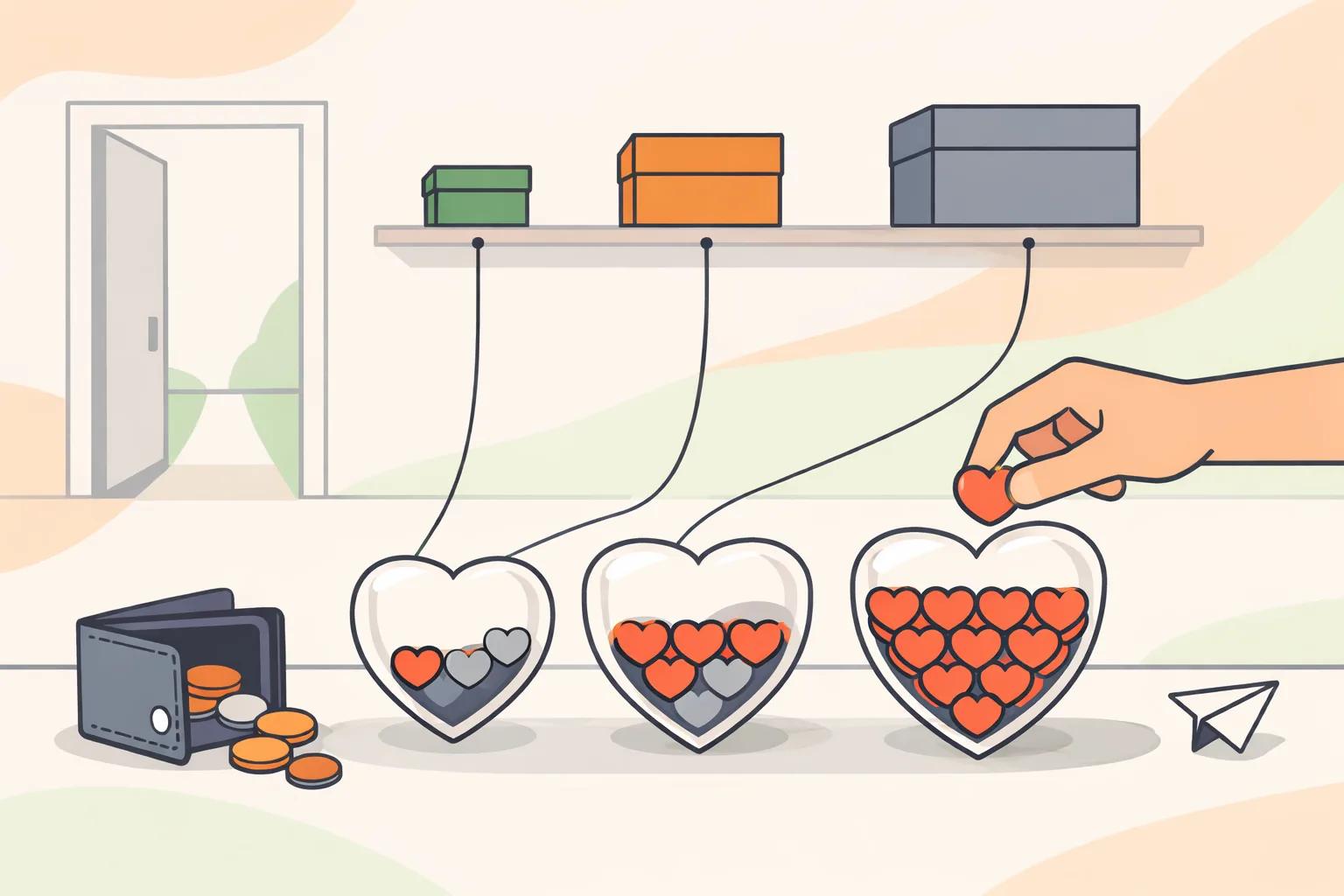
A monthly charge can slip by quietly, and half a year later it turns into a "small" sum that is suddenly noticeable. The real question is not whether subscriptions are good or bad, but whether the format fits your rhythm.
In practice, the choice between recurring fees and a one-off payment is decided by usage frequency and time horizon. Break the decision into a few steps and the better option becomes obvious.
The gist: the best format is the one you actually use, not the one you think you should use.
- Check how many times per month you truly use the service.
- Compare 6-12 months of fees with the one-time price.
- See how easy it is to pause and return later.
- Decide whether access is for one person or the whole family.
- Choose between the lowest price and the easiest exit.
Usage frequency is where the value lives
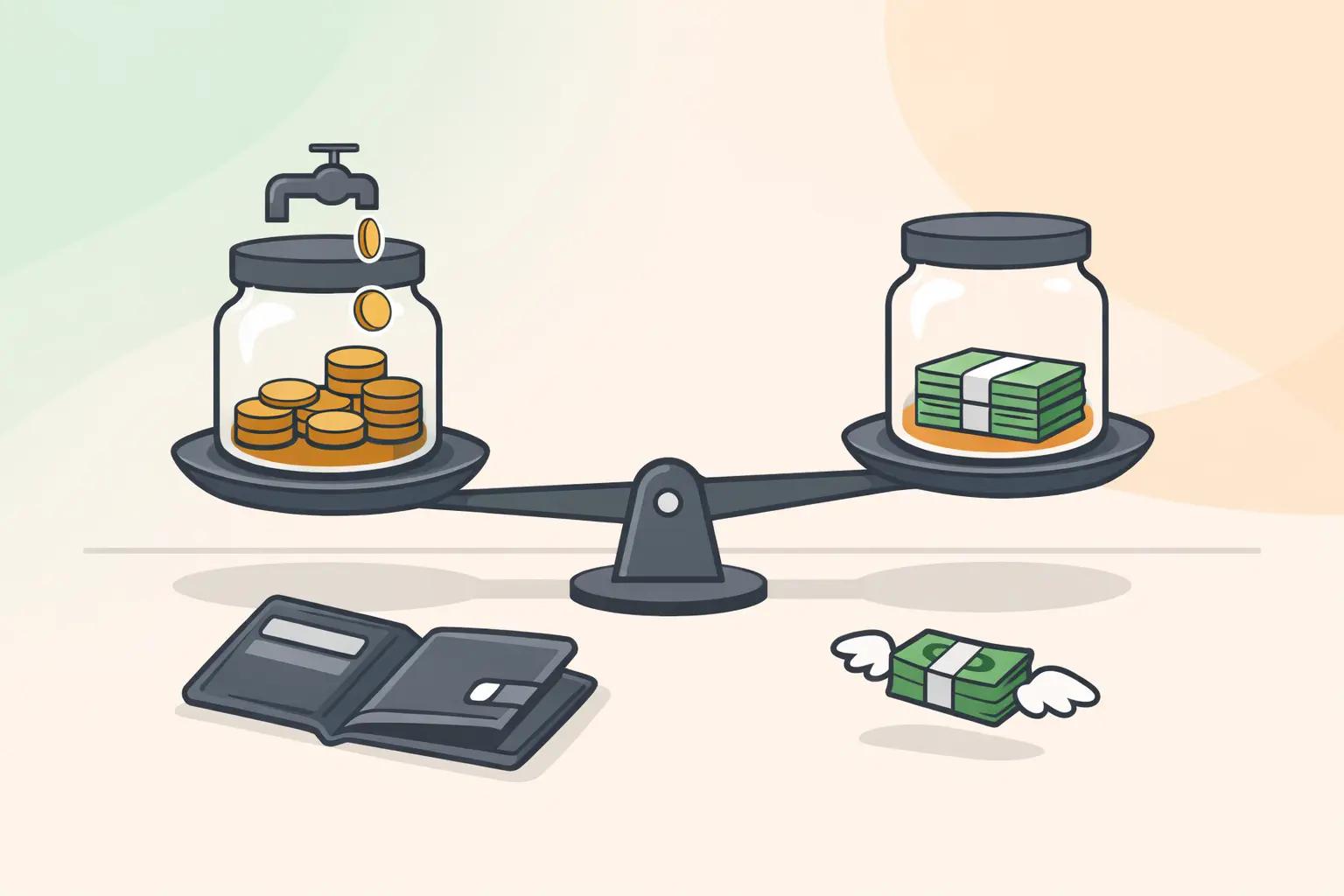
Frequency is the main driver. A one-time purchase wins when you use the service occasionally or seasonally. A subscription works better when use is steady week after week and breaks are unlikely.
A simple rule: compare the one-time price with the cost of 6-12 months. If the one-time option would pay off within that window and your use is irregular, buy once. If use is steady, a subscription may be cheaper and calmer for the budget.
| Criterion | Subscription | One-time purchase |
|---|---|---|
| Frequency | Best for regular use | Best for occasional or seasonal use |
| Horizon | Good for fast access | Logical if you plan long term |
| Overpay risk | High if you stop using it | Low after purchase |
| Flexibility | Easy to switch, but fees continue | Harder to switch, but no monthly charges |
| Control | Needs a monthly check | One payment to track |
Mini case: when a subscription won't pay off
Alex and Lily picked a service for home budgeting. The subscription costs about $6.40 per month, the one-time purchase is about $51. They used it heavily for three months, then vacation and a sick child cut usage to a couple of times per month.
Subscription: about $6.40 x 12 = about $77 per year. One-time: about $51 once. The break-even point is about 8 months of regular use.
For their rhythm, a one-time purchase would have been more honest. The subscription felt safe, but in reality it became a quiet, recurring expense.
Pros and cons of subscriptions, no illusions
Pros visible in real monthly numbers
- Predictable monthly cost makes limits easier to hold.
- Updates and new features arrive without extra payments.
- Family access lowers the price per person.
- Switching services is easier without a large upfront fee.
Cons that are easy to underestimate
- Auto-renewal turns a forgotten tool into a permanent expense.
- Small fees grow when you have more than three or four subscriptions.
- Motivation drops: you pay even when you do not use it.
- Canceling sometimes takes time and attention you would rather save.
Tip: create a dedicated "subscriptions" category and review it monthly to restore control fast. If you need a clear category setup, this guide helps: Expense categories without chaos.
How to choose: four filters before paying
If you need to decide quickly, run the choice through these four filters.
- Past behavior, not wishful thinking. Look at the last 4-8 weeks, not how it "should" be.
- Usage horizon. If the service is short-term or seasonal, subscriptions rarely win.
- Optimism check. Studies of tariff choice show many people pick flat fees even when pay-per-use would be cheaper. It feels calmer and it is easy to overestimate future use. If the decision rests on "I will use it a lot," start with a short period.
- Exit cost. Make sure you can pause or cancel in a minute.
Observation: subscriptions work best when you already have a regular ritual, like a weekly routine or a fixed day in the month.
Why subscriptions make sense for regular use
When a service is part of everyday life, a subscription reduces friction: you do not need to decide each time you pay. This is especially true for families where several people use it.
A subscription is stronger when updates, support, or multi-device access really matter. In those cases a one-time purchase often turns into a series of paid add-ons.
One more advantage is budget clarity. A fixed monthly amount makes planning simpler and lowers anxiety, especially if you already set limits for flexible spending.
A good payment model removes noise and keeps decisions calm. Which subscription in your life truly pays off right now? Today, review the last two months of spending and mark anything you barely used.
Checklist: do this today in 10 calm minutes
- List every active subscription in one place.
- Compare each subscription's yearly cost with the one-time price.
- Set a cancel reminder for the end of any trial period.
- Pause seasonal services or switch them to one-time payments.
- Add a spending limit for "subscriptions" and review it monthly. If you want a simple tracking format, this can help: Do you need personal finance tracking?.
FAQ
It is better when the service is used regularly and you rely on it almost every week. Then the cost per use drops, and a predictable monthly amount keeps the budget stable.
Compare 3-6 months of fees with the one-time price and check actual usage. If the service is used only a couple of times per quarter, the subscription is likely extra.
List them all, set a limit for the subscriptions category, and cancel anything unused in the last four weeks. After a month, restore only what truly works.
Rarely. Subscriptions make sense when usage is clear and immediate. If it is for later, start with a short period or a one-time purchase and a cancel reminder.