
You walk in for batteries and leave with a bag full of "just in case" items? This happens even to people who track their budget. Impulse purchases rarely seem like a problem in the moment, but they add up and eat away at your financial freedom. What you need isn't a strict financial diet—it's simple rules that work every single day.
The short answer: pause, limit, and a wish list. These three things turn a purchase from emotion into choice and give you back a sense of control.
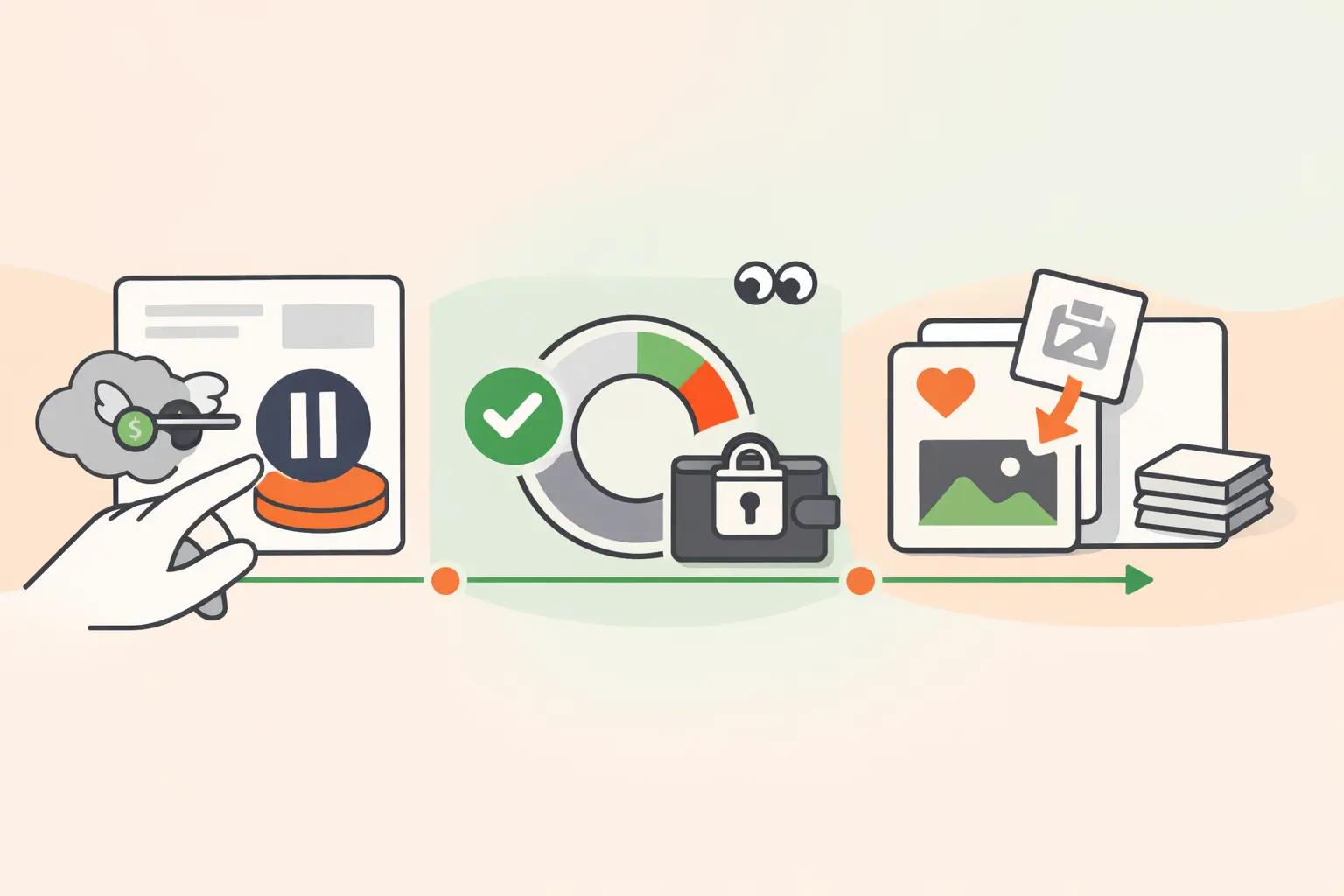
Six-Step Algorithm to Calm the Impulse Fast
At first, a pause and limit might feel like they kill spontaneity. But small boundaries don't forbid—they give you time to think. Do you need 30 rules? No. Six steps are enough to start.
-
Identify your triggers. The most common ones are:
- Fatigue after work and a desire for a reward
- A bright discount or "limited edition" offer
- Contactless payment and one-click purchasing
- Store displays and recommendations where the product "finds itself"
Psychologists call this decision fatigue: the more choices you make during the day, the stronger the pull toward an instant reward by evening. Write down 2–3 of your own triggers.
-
Set a threshold for the pause. For example, any purchase over $20–26 waits until morning. This isn't a brake—it's insurance. The decision stays yours; you're just making it in a calm state.
-
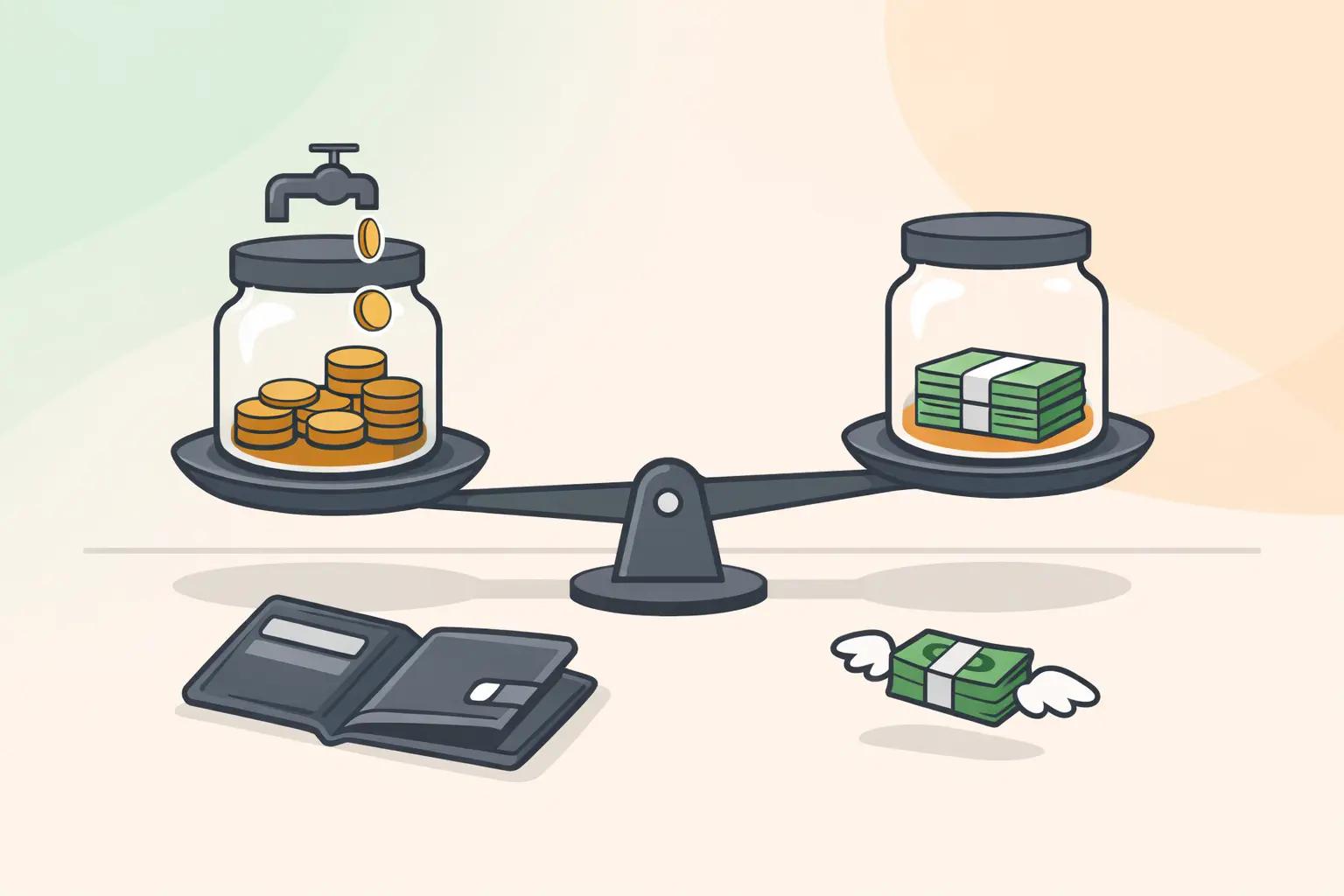
Set an impulse limit and create a separate spending category. A small monthly amount reduces the feeling of "I can't do this at all" and makes your choices more conscious.
-
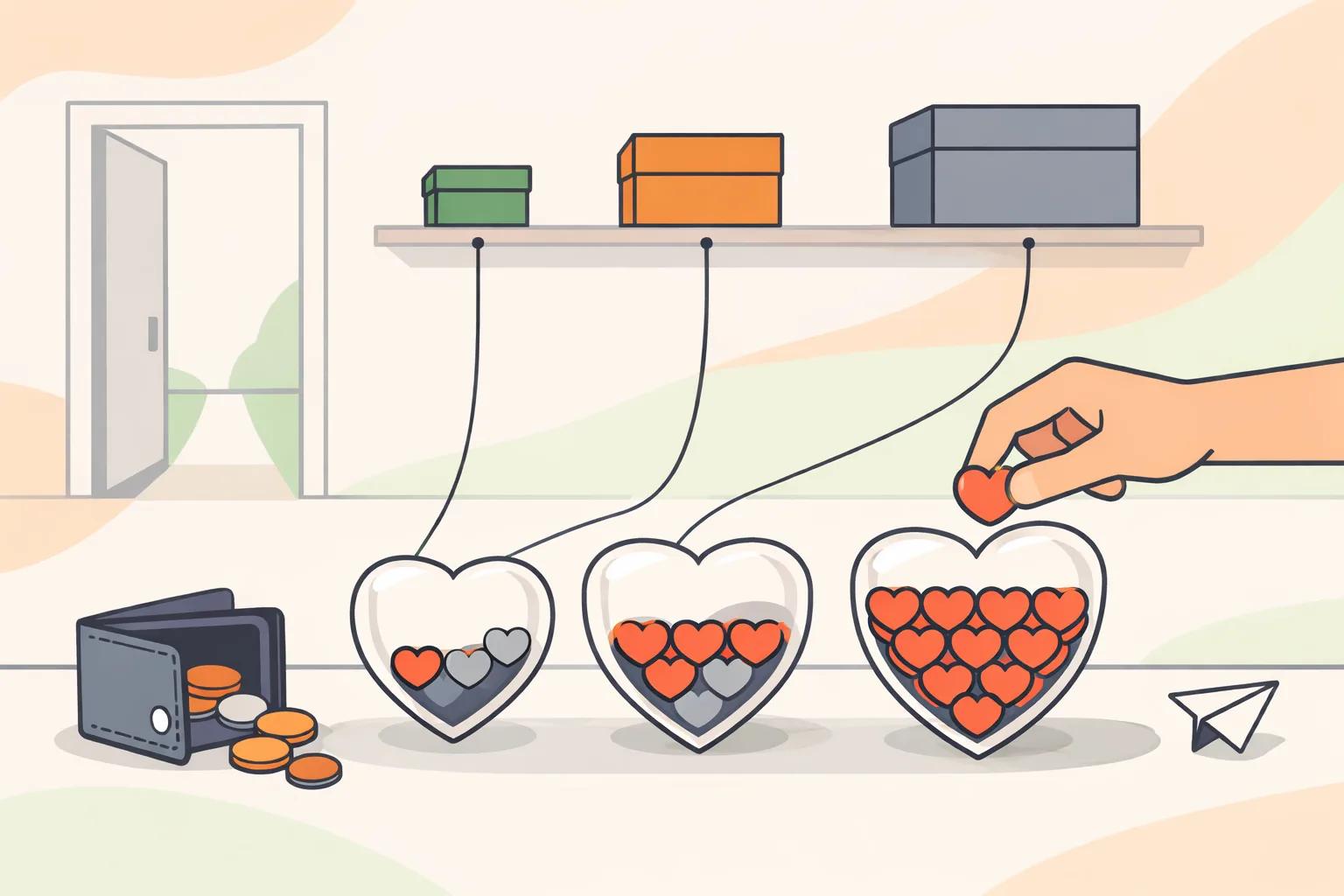
Keep a wish list with dates. Every purchase goes through it, not through your emotions.
-
Before you pay, answer two questions: What problem does this purchase solve, and which budget category does it come from?
-
Once a week, compare your limit to actual spending. Adjust your pause rule or wish list if needed.
Impulses usually kick in during the evening or while standing in line when you're already tired. That's why step 1 and the pause give the fastest results.
At first, tracking impulses feels like extra work. But a few minutes in the evening give you numbers that are sobering and motivating.
Tip: If you catch yourself about to make an impulse purchase in the evening, move the decision to the morning—the desire is usually weaker then.
Small Case Study with Real Numbers
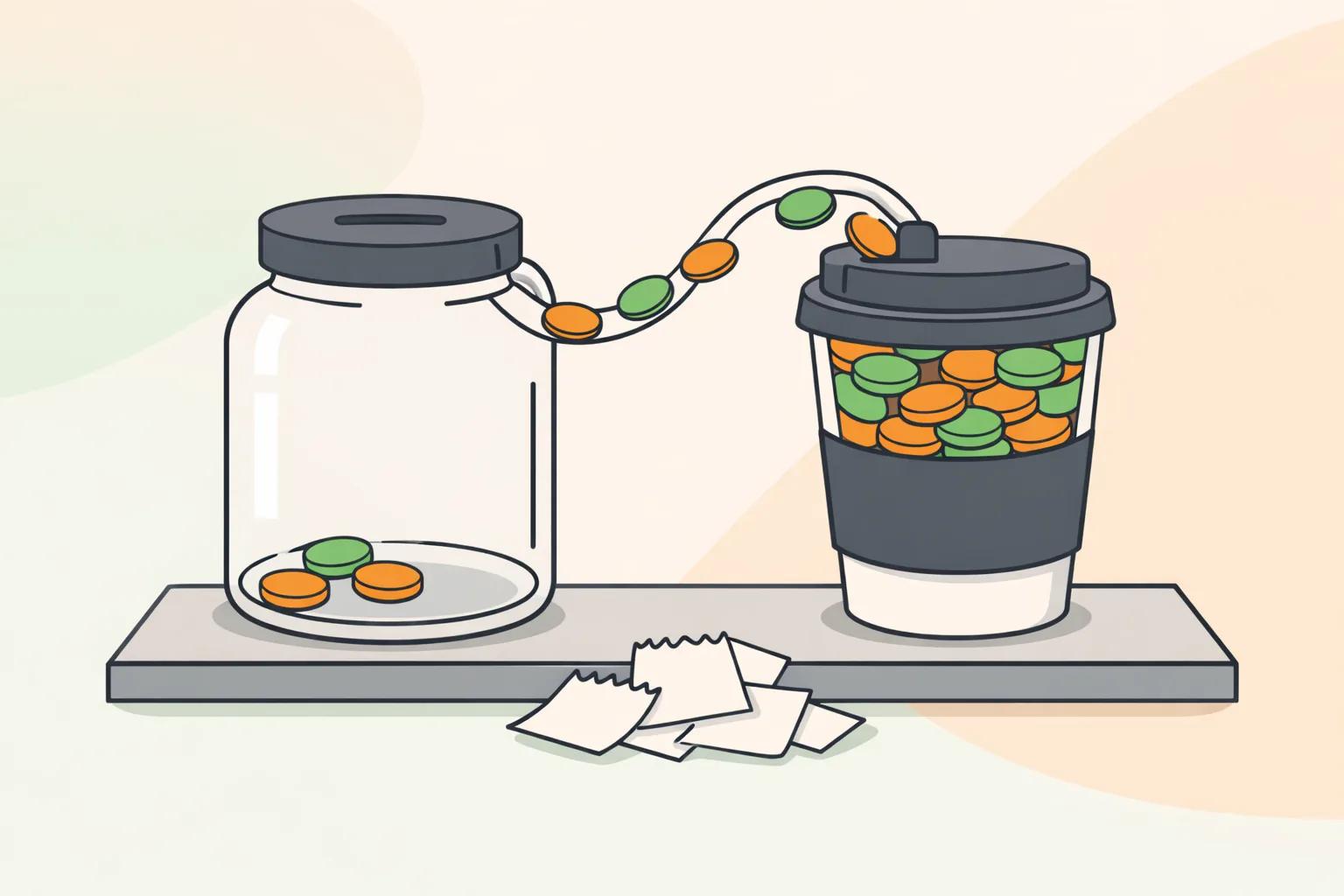
Mia and Eli share a monthly income of about $2,202. In the middle of the month, Eli bought coffee and snacks on the way home from daycare several times, while Mia bought a beige coat on sale—even though she planned to wait. They forgot to log a couple of receipts and added them on Sunday. Their "impulse" category total jumped to about $257. The couple set a limit of about $163 and introduced a 24-hour pause for purchases over $42. After a month, impulse spending dropped to $150, and they moved about $107 to their "savings" category. The wish list turned out to be the most effective filter: out of 9 items on it, they actually bought only 3.
Run through the algorithm for just one week to see your starting point and build on the numbers.
Barriers and Mistakes That Break the System
Even good rules fall apart if your environment pushes you toward buying. Small barriers and one key mistake correction help here.
Barriers That Create a Doubt Pause
- Remove saved cards and quick payment options from online marketplaces
- Open a separate card for "impulses" with a spending limit
- Turn off store notifications and sale emails
- Keep a short shopping list and check it regularly
- Move "I want" items to your wish list, not your shopping cart
When your card isn't saved, you get a few seconds to reconsider—and that's often enough. Pick one digital barrier and one offline barrier for the next week.
Mistakes That Make the Rules Fail
- An absolute ban ("I can't have anything"): Keep a small allowance so the system doesn't collapse.
- Mixing impulses with regular expenses: Create a separate category.
- A pause without a threshold: Set a waiting rule for amounts above your chosen level.
- Thinking a discount is savings: Check if the item is in your month's plan.
- Different rules in a partnership: Agree on a limit and which purchases require discussion.
Fix one mistake first—the effect will be more noticeable.
What Strengthens Control When Impulses Return
If you want to keep your impulses tracked in numbers, these blog materials will help:
- Do You Actually Need to Track Your Personal Finances?
- Articles About Expenses
- Budget Materials
- Expense Reports and Analytics
Pick one article and take one practice tip for the week.
What most often triggers your impulse—fatigue, a discount, or one-click checkout? Pick one trigger today and put a 24-hour pause on it.
Checklist: What to Do Today and This Week
Do today:
- Write down 2–3 situations when you feel the urge to buy "just because."
- Choose a pause threshold and lock in the rule.
- Start a wish list and add your recent "wants" to it.
This week:
- Separate impulse spending into its own category and review the total.
- Turn off store or marketplace notifications.
- Set an impulse limit and check if it's realistic.
- Discuss the rules if you share a budget.
Mark these off and start with the easiest one.
FAQ
By evening, your self-control reserves are depleted, and your brain seeks quick rewards. This is why discounts and 'small things' feel more tempting than during the day, especially after making multiple decisions.
An impulse purchase satisfies an emotion right now and doesn't survive a short pause. If you could live without it for a week, and the decision comes 'in the moment,' that's a warning sign.
It helps replace restriction with a pause. A simple note in your phone is enough: date, link, and price. After a week, the desire often 'cools down,' and your choice becomes clearer.
Start with a small amount that neither of you would mind losing, and set it as a shared category. After a month, compare the limit to actual spending and adjust the rule.