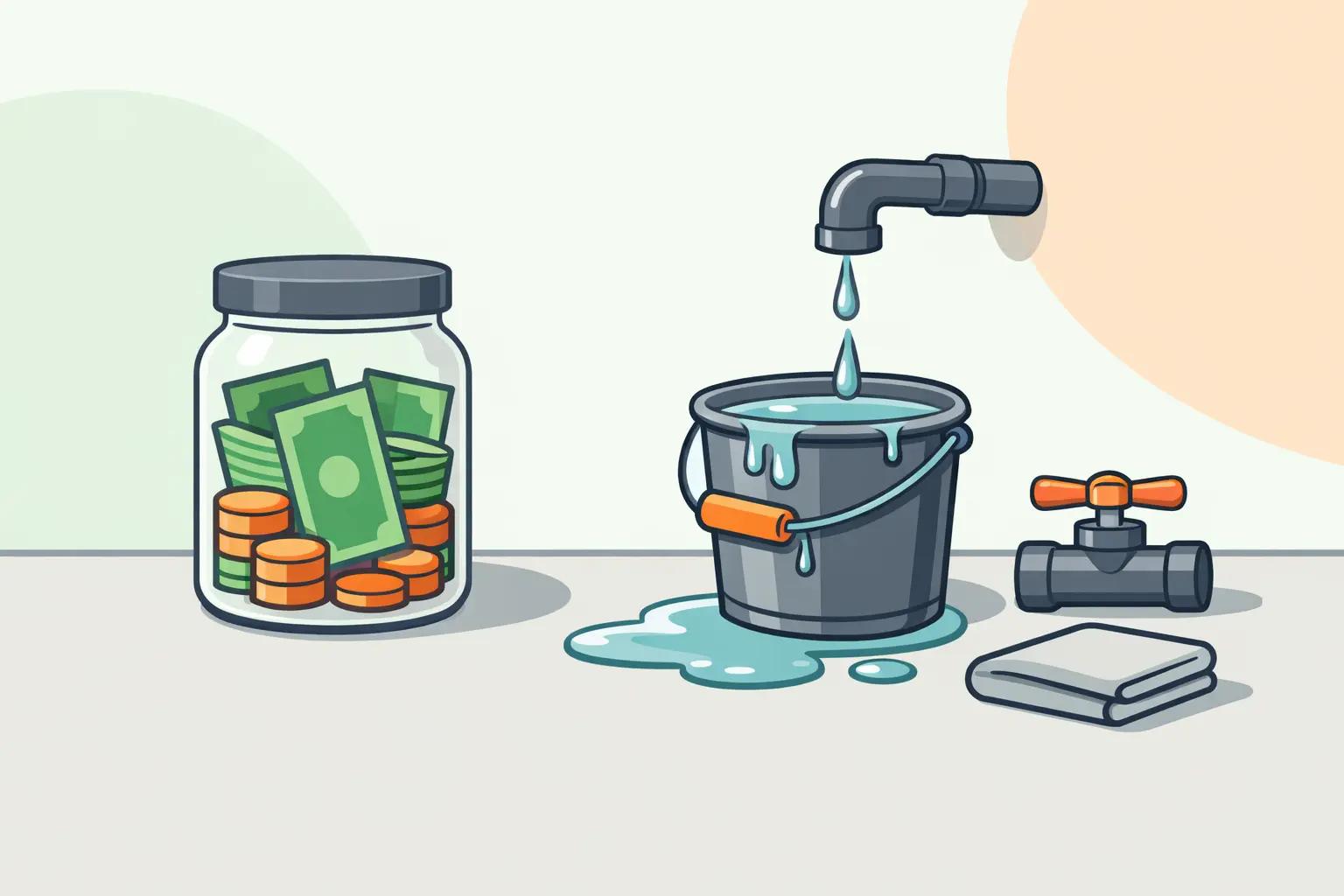

You get paid, and a couple of weeks later you ask the same question: where did the money go? Often the problem is not the income level, but the repeating small leaks that quietly eat the surplus.
Want to get richer without harsh restrictions? Start with habits: they turn decisions into routine and create a steady surplus. This is not a list of "habits of the rich", but a practical system for everyday life.
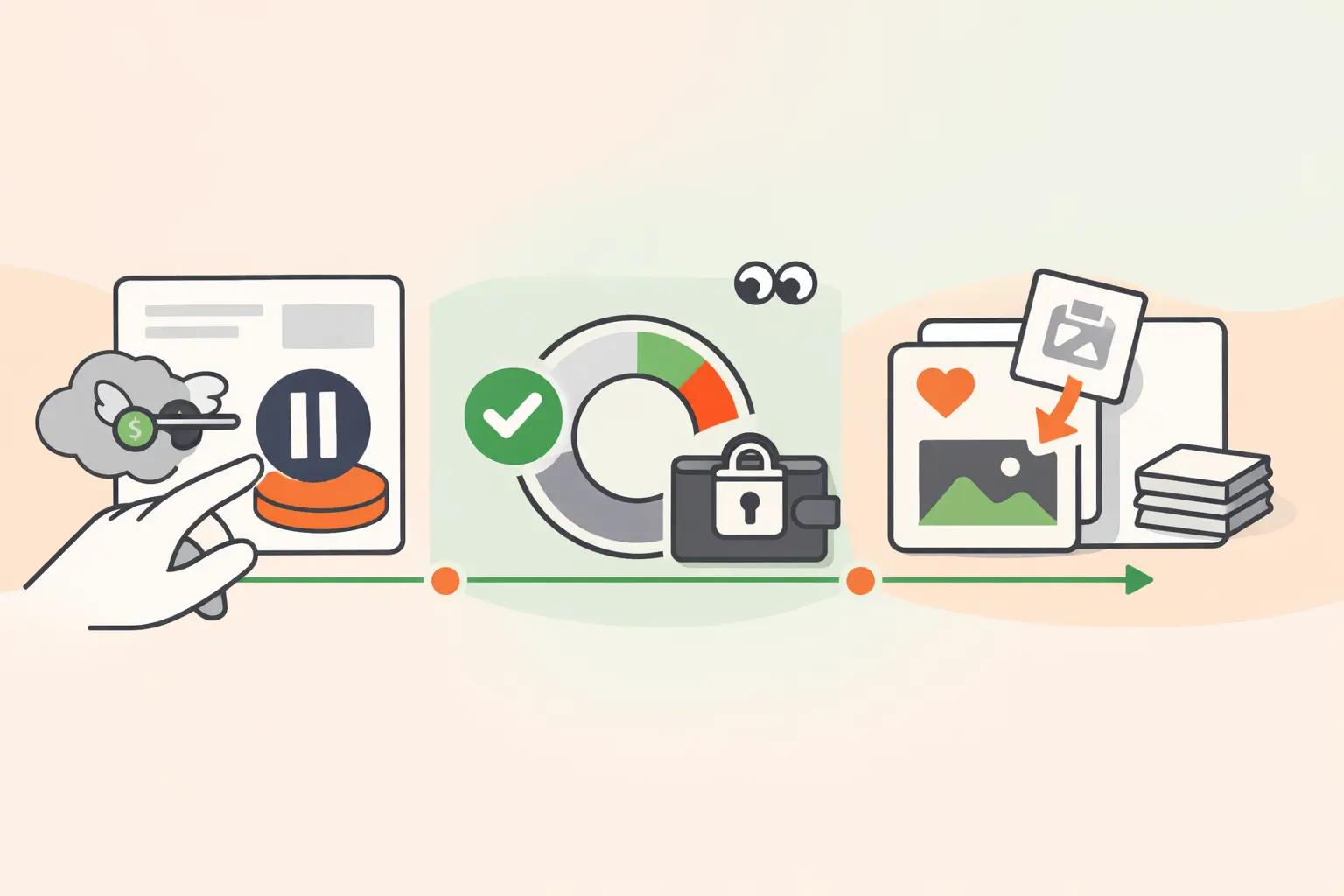
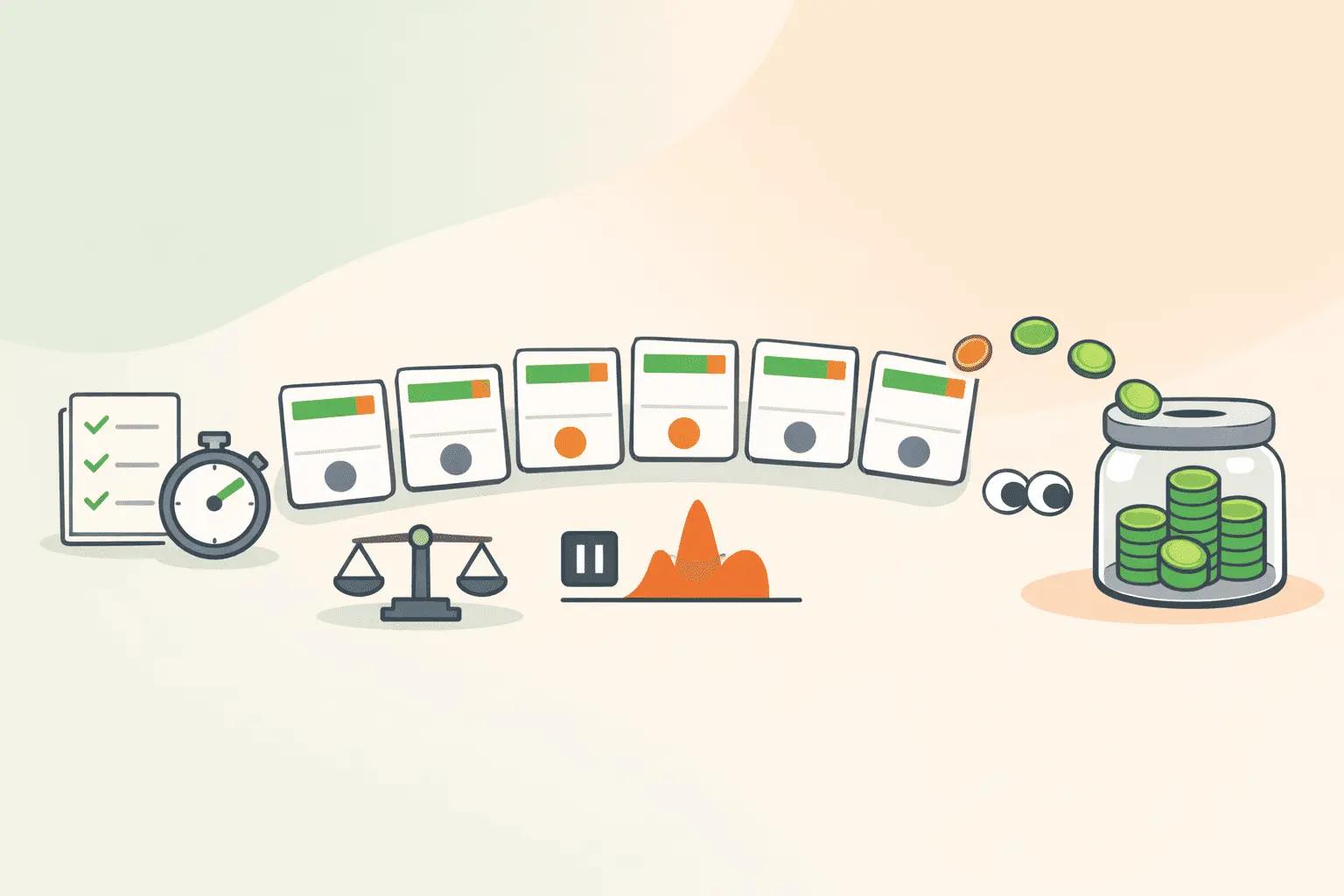
The working scheme is simple: six short steps for one month.
- Track spending 2-5 minutes a day.
- Move part of your income to savings on payday.
- Set limits for flexible categories.
- Use a pause rule for purchases above your threshold and keep a wish list.
- Run a short weekly review.
- Find one recurring mistake that breaks the habits.
Do not try to implement everything at once. Pick the first two steps, make them automatic, then add the rest. This way habits stick without the "new life on Monday" feeling.
The first noticeable shift is usually visible within a month.
At the start it can feel like nothing changes because the amounts are small. In reality you are training the rhythm, and it is the rhythm that keeps money to the end of the month. Once the rhythm sticks, increasing the amounts feels painless. It also reduces anxiety and chaos.
See the money first: 2-5 minute tracking that gives direction in a week
Without numbers, habits hang in the air. Tracking does not need full bookkeeping; it is enough to record category totals once a day.
It can feel like there is no time. Yes, but two to five minutes in the evening save hours of arguing with yourself or a partner, and expense control becomes clear.
The minimal ritual looks like this:
- Evening total: record category sums for the day without splitting receipts into items.
- Short category list: keep 8-12 to avoid constant reassigning.
- Weekly statement check: once a week find missed receipts and add them.
Missed a day? That is fine. Add spending from your statement once a week and return to the rhythm the next day.
Switching formats every week breaks comparisons. Stick with one method for at least a month.
The "misc" category is like a drawer of cables: fine until you need one.
Pick your categories today and set an evening reminder.
Pay yourself first: a habit that creates a surplus without willpower
Saving at the end of the month means you keep what is left. The habit works better when the transfer happens right after income arrives.
The amount can be small: 3-10% or a fixed number. With irregular income, use your lowest month so the rule does not break.
A separate account or envelope helps you see this money is already assigned to a goal and does not participate in daily spending.
Tip: Start with an amount you will not miss and increase it after 2-3 stable months.
Two ways to lock in the habit differ in stability:
| Approach | Key perk | Main pain | How to lock it |
|---|---|---|---|
| Auto-transfer on payday | Surplus appears on its own | Easy to forget to update the amount | Set a quarterly reminder |
| Manual transfer once a week | Full control and flexibility | Always easy to postpone | Attach it to one time slot in your calendar |
Example: income about $2,038 a month, auto-transfer $131. That is about $1,568 a year even without increases.
Savings feel abstract? Set a short 2-3 month goal: gear, a vacation, repairs. The habit sticks faster.
Choose the amount and set an auto transfer for your next payday.
Limits on flexible spending: freedom without leaks
Flexible categories are cafes, delivery, subscriptions, and small buys. They feel like freedom, but this is where a personal budget often sags.
A limit is not a ban, it is a frame. Yes, but you want spontaneity. The frame keeps it, just makes the choice conscious.
Mini case. Olivia and Sam have a monthly income of about $2,383. Mandatory expenses are $1,355: rent $601, groceries $365, transport $122, daycare $157, mobile $34, meds $77. They thought "cafes and delivery" cost about $157, but the month came to $244: $45 for sushi after a late shift, $17 for coffee on the way to a doctor's visit, plus two missed receipts for $21 they found in the statement. The couple set a limit of $176 and a pause rule when $26 remained. The next month came in at $182 - slightly over, but already easier.
$244 - $182 = about $62 moved to savings.
Prefer weekly control? Split the limit into four parts and roll the remainder forward instead of burning it.
Pick 2-3 flexible categories and set a monthly limit.
Categories are half the battle. Here is how to set them up without 30 items: How to Set Up Expense Categories.
Pause and a wish list: impulses lose power
Impulses hit in the evening or in line when you are drained. Research on decision fatigue shows: after dozens of choices during the day, self-control drops and we reach for quick rewards. That is why it is so hard to pass the checkout without a "small prize".
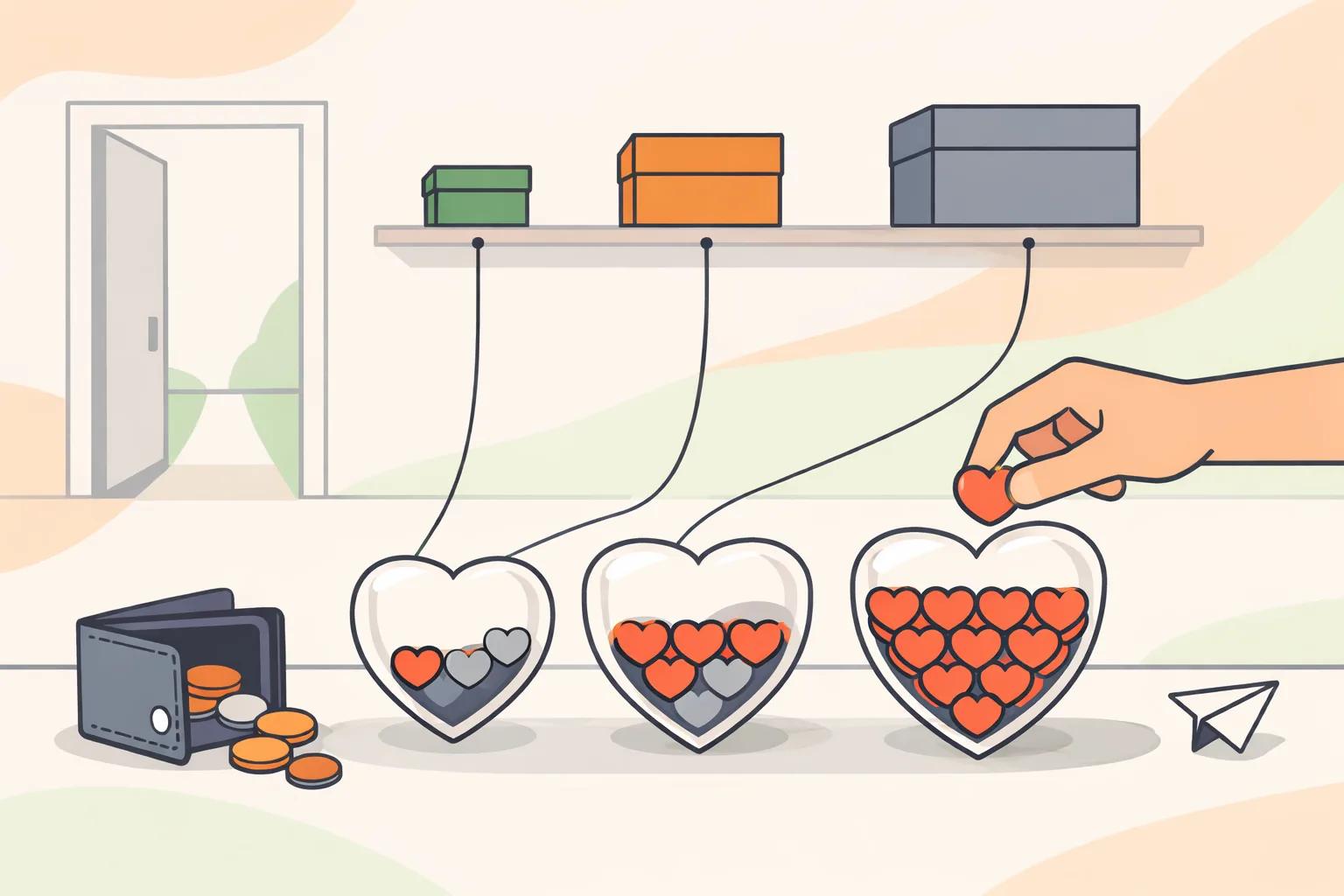
A pause turns emotion into a decision. Set a threshold after which a purchase waits until morning, and keep a wish list with date and price.
When it feels like the discount will disappear, check yourself: a discount only makes sense for something already in the monthly plan.
What helps keep the pause:
- Spending threshold: for example, any purchase over $33 waits until tomorrow.
- Wish list: move every "want" there and revisit in a week.
- Simple alternative: if you need it now, buy the basic version, not the "upgraded" one.
Note: If a desire does not survive a week on the list, it was never really yours.
Set the pause threshold today and create a wish list note. (For those who often slip into impulse purchases, this guide helps: How to Avoid Impulse Purchases.)
15 minutes a week: a review that keeps you on course
Daily entries without review turn into an archive. Once a week, 15 minutes is enough to see where habits work and where adjustments are needed.
- Limit check: compare limits with actual spending and note where you went over.
- Top three receipts: decide if you would repeat them next month.
- Move the surplus: send leftover money to a goal or reserve.
- One rule tweak: adjust a limit or pause threshold if the numbers drifted.
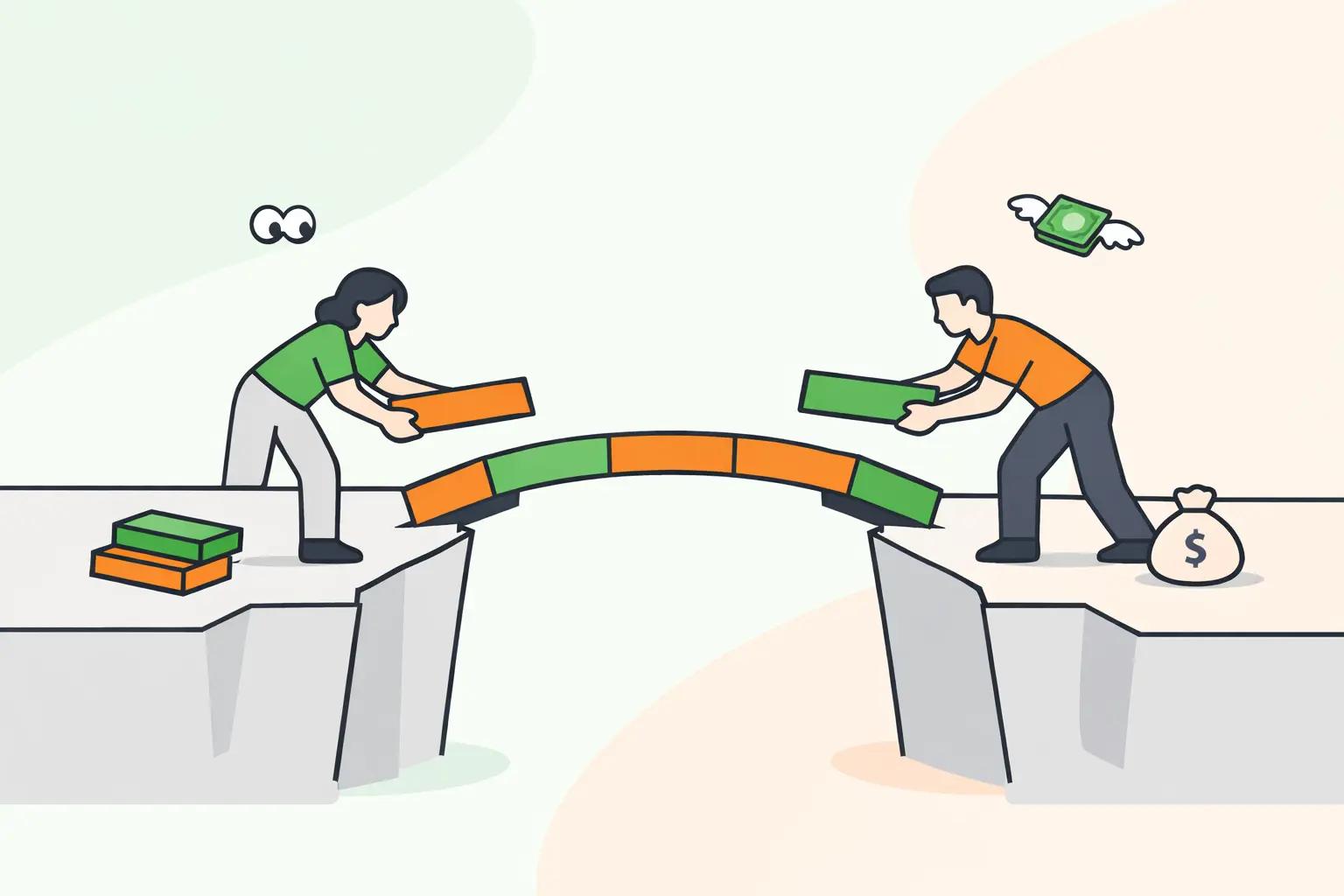
In a couple, do the review together: a 10-minute talk removes open questions and reduces friction.
Put a fixed time on the calendar and keep the review as a regular ritual.
Where habits break: common mistakes and quick fixes
Systems usually collapse not from laziness, but from overload or fuzzy rules. Check yourself against these points.
A habit strengthens when you keep it for at least 4 weeks, so it is better to do less but consistently.
- Too many rules: start with two habits and add one per month.
- Mixing personal and shared spending: in a shared budget, set personal limits and a common list of mandatory expenses.
- No buffer: leave 5-7% for the unexpected, or limits will break.
- Irregular income without a floor: calculate limits from the lowest month and distribute the rest later.
- Debts and past-due payments: stabilize mandatory payments first and keep savings symbolic.
Pick one point and fix it by the end of the week.
Want to go deeper into the tracking format? Here is a breakdown: Do You Actually Need to Track Your Personal Finances?.
Which habit will give you the fastest lift - tracking or a cafe limit? Choose one today and start the first step.
Checklist: do today and this week
Do today:
- Categories: choose 8-12 and lock them for a month.
- Auto-transfer: set an amount and date after income lands.
- Flexible spending limit: set a number for cafes, delivery, subscriptions.
- Wish list: add the purchases that keep circling in your head.
This week:
- Review: set aside 15 minutes and compare plan vs actual.
- Pause threshold: set the amount after which the decision waits until tomorrow.
- Rules as a couple: agree on disputed spending if the budget is shared.
This material is for informational purposes and is not individual financial advice.
FAQ
Start with two and add a third after 3-4 weeks. This keeps the rhythm intact, shows early results, and helps you see which habit actually works without overload.
Begin with a number that does not feel tight: 3-7% of income or a fixed transfer. After a couple of months, review it and raise it by a small, comfortable step.
Set limits based on your lowest month and distribute any extra at month-end. This protects essentials and keeps decisions about the surplus calm and deliberate.
Set a pause threshold in advance and keep a dated wish list. When you are tired, the rule decides for you and the purchase moves to the morning, when the urge is weaker.